
What Living Room Furniture Works for Open Living Areas?
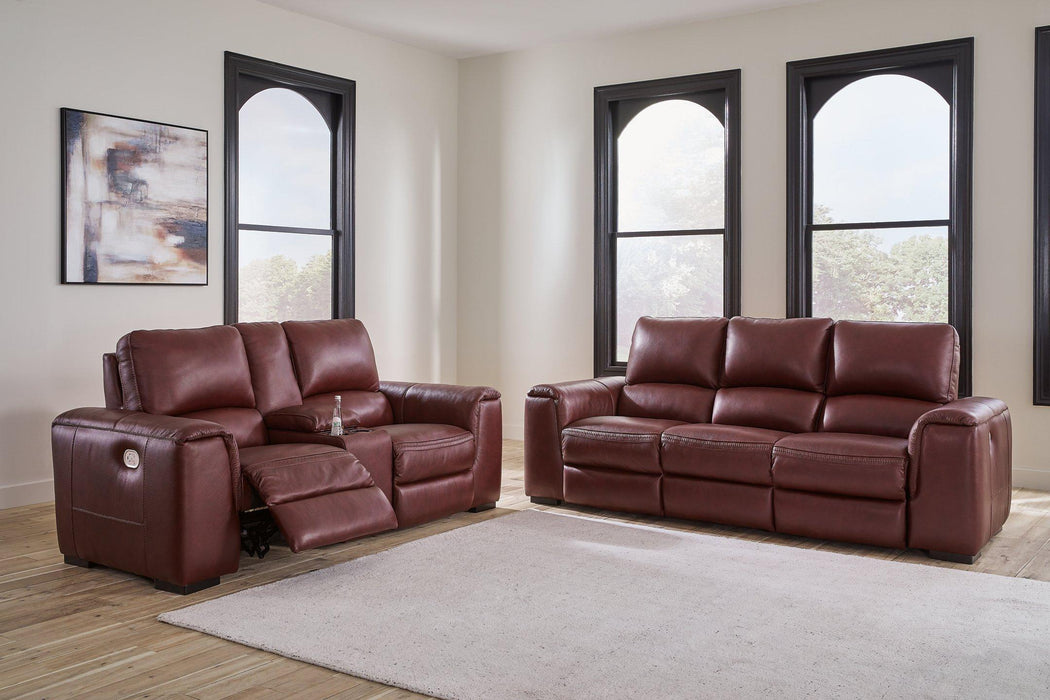
Open living areas, where the living room, dining room, and kitchen flow together without walls, have become the dominant floor plan in homes built or renovated between 2000 and 2025. This open concept design creates bright, social spaces, but it also presents a challenge: without walls to define boundaries, your furniture must do the heavy lifting. These layouts are especially challenging in a large room, where the absence of walls makes it harder to create structure.
In a traditional room, walls tell you where the living area ends and the dining space begins. In an open concept living room, your sofa, rugs, tables, and shelving become the “soft architecture” that creates distinct zones. Get it wrong, and the entire space can feel like a chaotic furniture warehouse. Get it right, and each zone flows naturally into the next while maintaining its own sense of purpose.
Open-plan living rooms offer bright, airy spaces that can feel more spacious than traditional layouts. However, the lack of walls can make a home feel disorganized or cold without clear boundaries.
This guide focuses on which living room furniture pieces and layouts work best for open concept spaces. You’ll learn how to choose sofa shapes, anchor zones with rugs and tables, use storage as subtle dividers, and plan traffic flow that keeps the whole open floor plan cohesive, all without relying on specific furniture brands.
Start With the Sofa: The “Soft Wall” of an Open Living Area
The main sofa is usually the first and most important furniture choice for any open-plan living room layout. Think of it as your primary zone-maker, the piece that “draws a line” between your seating area and the rest of the space.
The key technique that transforms a sofa into a room divider is floating. Instead of pushing your sofa against a wall, position it 30–36 inches away from the walls and turn its back toward the dining area or kitchen. This creates a clear boundary without blocking sight lines or natural light from upper windows and doors.
For medium to large open concept floor plan homes built after 2010, a sofa length between 84–96 inches (213–244 cm) typically works well. Rooms often exceed 20 x 15 feet in these layouts, and a sofa this size anchors the living zone without overwhelming it.
Choose low-to-mid back profiles (backs 28–36 inches high) to preserve those long views across the space. This is especially important in homes with floor-to-ceiling windows or sliding doors, where you want to maintain an easy flow of light. Leave a 30–36 inch walkway behind your floating sofa so family members can walk from the kitchen to other rooms without awkward detours.
Best Sofa Shapes for Open Living Areas
Different sofa silhouettes define space in different ways. The “right” shape depends on your room’s footprint, whether it’s long-and-narrow, square, L-shaped around a kitchen island, or a central great room.
Before choosing, measure the distance from your kitchen island to your TV wall or fireplace. This helps you avoid blocking views or creating traffic bottlenecks. Also consider how many people typically use the space: couples need a different seating capacity than families with kids or frequent hosts.
L-Shaped and Corner Sectionals: Natural Zone Makers
L-shaped and corner sectionals are ideal for open living room layouts where one long side can face the TV or focal point while the shorter side “blocks off” the dining or kitchen zone. This furniture arrangement naturally creates a dedicated space for lounging without needing walls.
For medium rooms, a 2.5–3 seat main section with a chaise works well. Larger spaces wider than about 16 feet (4.8 m) can accommodate a full corner sofa. Position the L perpendicular to a window, fireplace, or media wall to create a clear “living room corner.”
Keep the back of your sectional at least 10–12 inches away from the nearest dining chair. This prevents crowded circulation when people walk between zones. If the sectional forms the boundary between a kids’ play area or dining mess and your soft seating, consider darker, more durable fabrics that handle spills and wear.
Modular Sofas: Adaptable Layouts for Changing Needs
A modular sofa consists of individual blocks, corner pieces, armless seats, chaises, and ottomans that can be rearranged when your open plan space evolves. Interior designer recommendations often point to modular systems for their flexibility, offering roughly 50% more layout options than fixed pieces.
Modules can be pulled apart to create a U-shape for movie nights, or lined up straight to open a clear path toward the kitchen when hosting. This adaptability makes modular seating particularly useful for renters or those in new house builds from 2015 onward, where needs may shift as families grow.
An added benefit: separate sections can be rotated if one side gets more sun exposure or wear in your open concept space, extending the life of your investment.
U-Shaped and Curved Sofas: “Room Within a Room” Options
U-shaped sofas work best in generous open plans, around 20 x 20 feet (6 x 6 m) or larger, because they create an intimate lounge “island” that feels like a room within a room. They can seat 8–10 people comfortably while defining the living zone clearly.
The critical measurement: leave at least 36 inches around the outside of the U to avoid blocking pathways toward the kitchen, hallway, or entry.
Curved sofas serve a different purpose; they soften harsh lines between angular kitchen cabinets, islands, and rectangular dining tables. Place a curved sofa centrally with its back gently bending away from the dining area to maintain open sight lines while still suggesting a boundary. These work particularly well in 2020s minimalist designs where organic flow is prioritized.
Rugs, Coffee Tables, and Side Tables: Anchoring the Living Zone
Rugs and tables act as visual anchors that ground your seating area in a larger space. Without them, furniture can feel scattered and disconnected.
A single large area rug, 8 x 10 feet or 9 x 12 feet, under your sofa, chairs, and coffee table marks out the living room “territory.” Design research suggests area rugs increase perceived zoning effectiveness by about 60%, making them one of the most impactful decor investments for open concept living.
Follow this rule: at least the front legs of sofas and chairs should rest on the rug so the furniture feels connected. Using the same logic, select a softer, plusher rug (1–1.5 inch pile) in the lounge area and a flatter, more durable weave in the dining space to signal different functions underfoot.
For proportion, choose a coffee table roughly half to two-thirds the length of your main sofa. A 42–60 inch rectangular table works well in most open plans. Round coffee tables and nesting sets are useful where circulation routes pass close to the seating, with no sharp corners to bump into.
Slim side tables (18–24 inches deep) fit between seats or beside the sofa to hold table lamps and drinks without encroaching on walkways. Floor lamps positioned behind or beside seating can add warmth without requiring extra surface space.
Storage, Shelving, and Consoles as “Soft Partitions”
Storage pieces can double as visual dividers while keeping your open concept layout airy rather than chopped up. The key is choosing furniture that separates without blocking.
Open-back shelving units positioned behind a floating sofa act like low, see-through walls between living and dining spaces. Keep these units 36–48 inches high, below eye level, to preserve the open feel. Research shows that keeping partition furniture under 48 inches maintains about 80% of sightlines across the space.
A console table behind a floating sofa creates a neat back view from the kitchen area while providing a place for lamps, books, and baskets. This small table approach works particularly well in open plans where the sofa back would otherwise face raw cooking zones.
Low credenzas or media units against one wall ground the TV and help the living zone feel intentional. Built-ins alongside walls can serve a similar purpose, housing media equipment while creating architectural presence.
Backless benches and slim storage benches can mark transitions between entry and living zones in open concept layout homes built after 2010, where front doors often open directly into the main room. These pieces serve dual functions, seating and storage, without visual bulk.
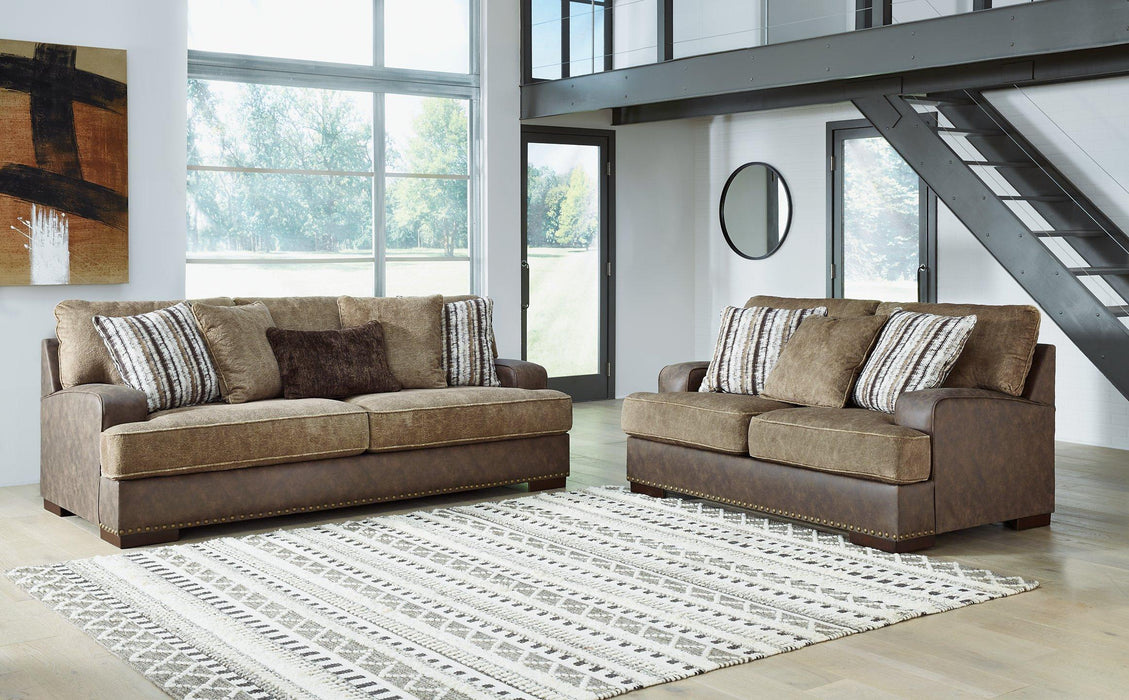
Accent Seating and Flexible Pieces that Support Open-Plan Living
Additional chairs, ottomans, and lightweight furniture help adapt your living area for daily use and gatherings without creating permanent barriers.
Position one or two chairs angled toward the sofa to create a conversation circle that doesn’t rely on walls. This arrangement works for the typical family evening and scales up when guests arrive.
Swivel chairs are particularly useful in open plan space layouts where people need to turn toward the TV, fireplace, or kitchen island, depending on the activity. A 360-degree rotation lets one piece of seating serve multiple focal points.
Light, easily-moved stools, poufs, and ottomans can shift between the living area and dining table when extra seating is needed. These pieces add extra space for guests without permanently cluttering walkways.
Nesting side tables expand for gatherings, then tuck away to keep pathways clear day to day. When selecting accent pieces, choose armchairs and stools whose fabric, metal, or wood finishes echo materials found at the dining table or kitchen island. This keeps the whole open concept space cohesive rather than feeling like three separate rooms forced together.
Planning Layout, Flow, and Sight Lines in Open Living Areas
Even the best furniture choices fail if the furniture layout blocks movement or creates awkward dead ends. Thoughtful planning prevents an open living area from feeling chaotic.
Start with a rough floor plan sketch, plotting key features like windows, balcony doors, fireplace, and kitchen islands. Homes built between 2000 and 2025 often have these elements as primary architectural anchors; your furniture should complement them, not compete.
Align your main sofa so it has a comfortable 8–12 foot line of sight to the TV or focal wall. Avoid positioning it so it turns its back completely on the kitchen or entry; this creates a sense of disconnection rather than a zoned flow.
Critical measurement: leave at least one main “corridor” around your living zone that is 36 inches wide for movement from the front door to the kitchen or hallway. Pathways narrower than this create friction, especially in family homes where multiple people navigate simultaneously.
Keep tall pieces like bookcases along walls or columns so the central part of the open floor plan feels airy. Before finalizing placement, check sight lines while seated and standing to ensure views to windows, art, and key architectural features remain unblocked. This design decision affects how spacious and calm the space feels daily.
Lighting and Ambiance: Enhancing the Open Living Experience
Lighting is one of the most powerful tools for shaping the mood and functionality of an open concept living room. In a space where walls don’t define boundaries, a thoughtful lighting plan can help create distinct zones while tying the entire space together. Start by layering different types of lighting, overhead fixtures for general illumination, floor lamps for ambient glow, and table lamps for focused, cozy light. This approach ensures that every area of your open concept living space feels inviting and purposeful, whether you’re relaxing in the living area or entertaining guests.
When selecting lighting, pay attention to the color temperature and brightness. Warm white bulbs (around 2700K–3000K) add warmth and comfort, making the living room feel welcoming, while cooler white lighting (3500K–4000K) can give the space a crisp, modern edge. Match your lighting choices to the overall color scheme of your open concept floor plan to maintain visual harmony.
Strategic placement is key: use floor lamps to highlight seating areas, table lamps to add intimacy to side tables, and pendant lights or chandeliers to anchor the dining zone. By varying the intensity and location of your lighting, you can subtly define zones within the open concept living space without the need for physical barriers. For example, a statement pendant over the dining table draws attention to the eating area, while a pair of floor lamps flanking the sofa can create a cozy living room nook. Ultimately, a well-considered lighting plan not only enhances the ambiance but also supports the flexible, multi-functional nature of open concept living.
Dining Area Considerations: Integrating Eating and Living Spaces
In an open concept living room, the dining area is more than just a place to eat; it’s an integral part of the entire space. To achieve a cohesive look, select a dining table and chairs that echo the style, color scheme, and materials found in your living area. This creates a sense of unity and flow, making the open concept living space feel thoughtfully designed rather than pieced together.
To define the dining space without sacrificing the open feel, consider using a console table or kitchen island as a subtle divider. These pieces can help separate the dining area from the living room while still allowing for easy conversation and sight lines across the room. In larger rooms, a modular sofa can be positioned to create a gentle boundary between the living and dining zones, supporting both relaxation and socializing.
Leave plenty of space between furniture pieces to maintain a clear path and ensure easy flow from one zone to another. Area rugs are especially effective for anchoring the dining space and distinguishing it from the living area. Choose a rug large enough that chairs remain on it even when pulled out. This not only adds warmth and texture but also visually signals the transition between zones.
By thoughtfully integrating the dining area into your open concept living space, you create a functional, beautiful environment that supports family life and entertaining. The right furniture arrangement, color scheme, and use of subtle dividers will help each zone feel distinct yet connected, making the most of your open concept layout.
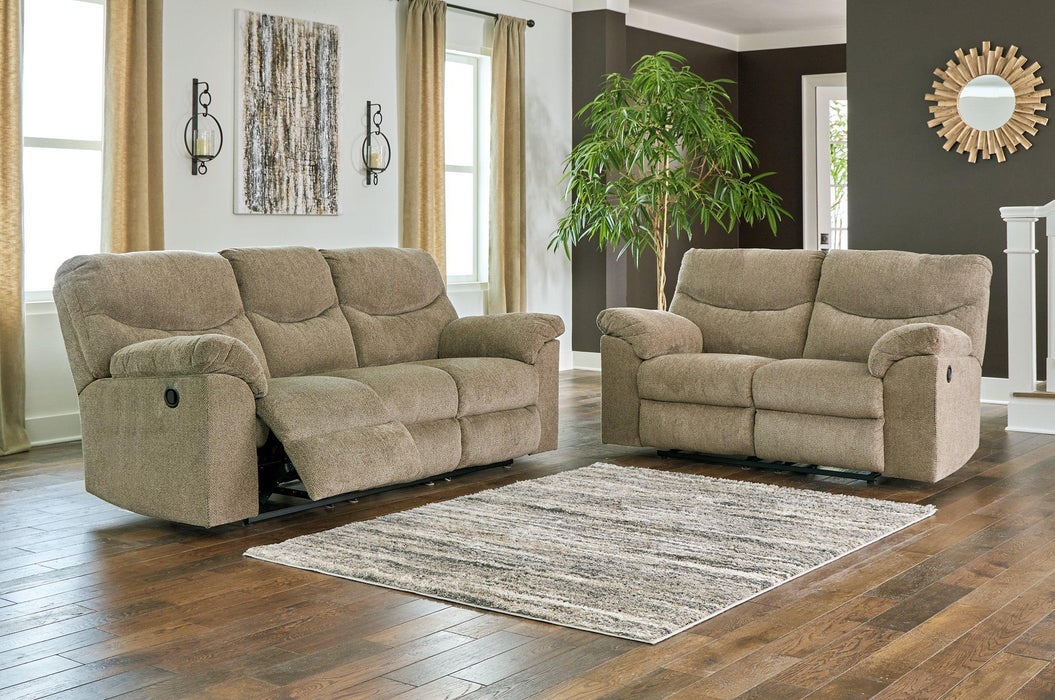
Coordinating Style, Color, and Texture Across the Open Space
Even the best furniture shapes look disjointed if the style and colors clash between the living, dining, and kitchen zones. In one room that serves multiple functions, visual coherence matters.
Build your color scheme from 2–3 base colors and 1–2 accent colors that repeat across sofas, rugs, cushions, and dining textiles. This repetition creates unity without requiring matching furniture sets.
Repeat at least one wood tone, oak, walnut, or similar, in your coffee table, dining table, and open shelving. This “thread” connects the living space and dining room visually. Apply the same logic to metal finishes: consistent use of black, brass, or brushed steel on table legs, lamps, and hardware ties the larger space together.
Mix textures to prevent large rooms from feeling flat or cold. Combine smooth leather, soft woven fabrics, natural fiber rugs, and solid wood surfaces. This variety adds warmth and visual interest while maintaining cohesion through your chosen color palette.
Choose one element visible from multiple vantage points, a recurring accent hue, a specific fabric pattern, or a type of wood that runs through the whole open concept living space. When someone walks from the kitchen to the lounge, they should sense a unified environment rather than distinct areas fighting for attention.
Putting It All Together: Sample Furniture Combos for Common Open Plans
Here are four concrete example setups for typical open living layouts in homes built after 2005:
Long-and-narrow kitchen-dining-living layout (approximately 10 x 25 feet): Use an L-shaped sectional with the long arm (around 140 inches) facing your TV or fireplace. Place an 8 x 10 foot rug large enough to anchor the seating, add a slim console table behind the sofa to separate it from the dining space, and position two chairs facing the sectional to complete the conversation zone. This creates distinct areas while maintaining easy flow through the narrow footprint.
Square great room (approximately 20 x 20 feet): Deploy a modular sofa in a U-configuration to create an intimate lounge island. Center a 48-inch round coffee table to avoid sharp corners, anchor everything on a large rug, and add two swivel chairs that can turn toward either the TV or dining area. This setup handles both family movie nights and dinner parties with equal grace.
Small open-plan apartment (around 300 square feet total): Fit a compact 84-inch sofa against a visual boundary, pair it with a single armchair angled for conversation, use nesting tables that expand when needed and tuck away otherwise, and add a storage ottoman that doubles as extra seating when guests spill over from the dining table. Every piece serves multiple purposes.
Family home with kids’ play space integrated: Use a hardwearing sectional in performance fabric that handles spills and rough use. Anchor the seating area with a washable rug, position low open shelving (under 42 inches) as a divider between play and TV zones, and scatter lightweight poufs that migrate between play area and lounge as needed. This arrangement acknowledges reality while maintaining distinct zones for different activities.
The idea behind all these combos is treating furniture as your “architecture”, the soft walls and boundaries that an open concept design doesn’t provide naturally. Before committing to new pieces, experiment with placement using existing furniture or even cardboard boxes cut to size. Walk the pathways, check the sight lines, and sit in different spots to experience how the space flows. Your open living area will serve your family better when you’ve tested the layout before finalizing your choices.
Shop Living Room Furniture at Dow Furniture Today
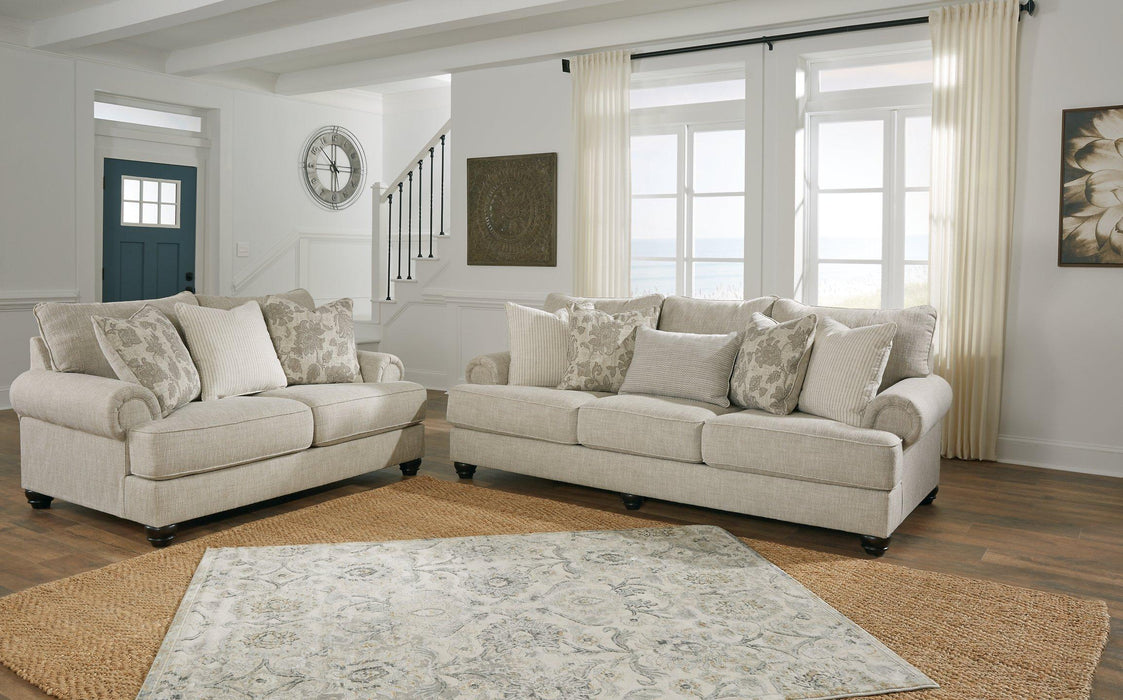
Upgrade your home with living room furniture at Dow Furniture today and create a space that’s comfortable, functional, and perfect for everyday living. From sofas and sectionals to recliners and living room sets, the right furniture can make your living room more inviting and more practical for relaxing, entertaining, and spending time with family and friends.
Now is the perfect time to refresh your space and improve the comfort of your home. Shop living room furniture at Dow Furniture now and design a living room that feels welcoming, stylish, and ready for everyday use.