
How to Choose a Mattress That Supports Consistent Sleep
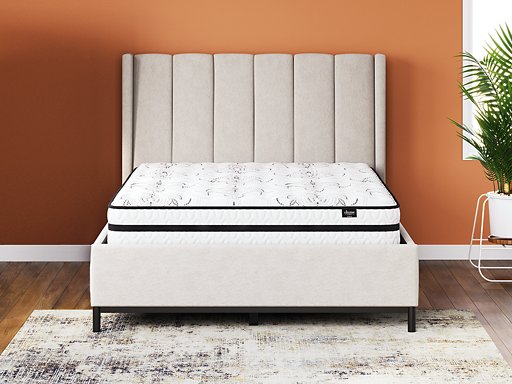
A well-chosen mattress is one of the fastest ways to improve your sleep consistency night after night. When your bed properly supports your body, you experience fewer 3 a.m. awakenings, less tossing and turning, and reduced morning stiffness that makes you dread getting up. Most adults spend somewhere around 2,500–3,000 hours per year in bed, which means even small comfort or support problems quickly compound into chronic fatigue and daytime fog. This guide walks you through a practical, step-by-step approach to picking a mattress that delivers reliable, repeatable rest, not just one great night followed by a string of mediocre ones.
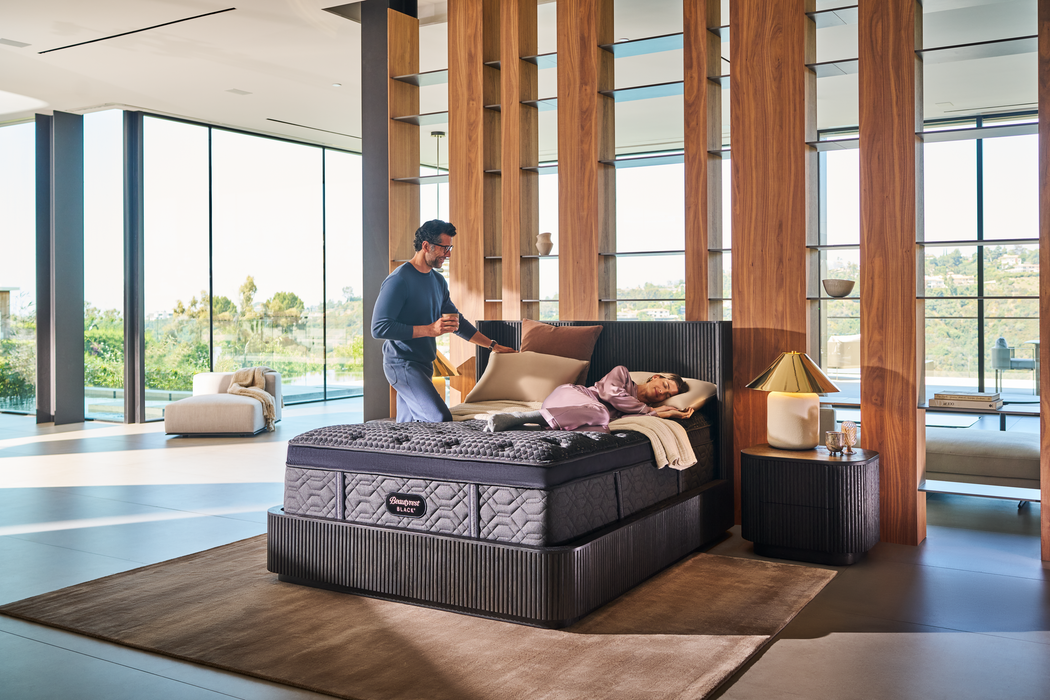
Introduction to Mattress Selection
Choosing the right mattress is one of the most important decisions you can make for your sleep health and overall well-being. With so many mattress types and features available, finding the perfect mattress can feel overwhelming, especially when every brand claims to offer the best mattress for every sleep style. But the truth is, the right mattress for you depends on your unique needs, including your preferred sleep position, body type, and comfort preferences.
Whether you’re a dedicated side sleeper searching for pressure relief, a back sleeper needing proper spinal support, or someone who changes positions throughout the night, understanding your sleep style is the first step toward better rest. This guide will help you navigate the world of memory foam, foam mattresses, innerspring mattresses, and hybrid mattresses, breaking down what each option offers so you can confidently choose a mattress that supports consistent, restorative sleep.
By the end, you’ll know exactly what to look for, so you can invest in a mattress that helps you fall asleep faster, wake up refreshed, and enjoy a good night’s sleep for years to come.
Step 1: Decide If You Actually Need a New Mattress
Consistent sleep often starts with replacing a mattress at the right time, not simply buying a different model. Before you start researching mattress types and firmness levels, take an honest look at what you’re currently sleeping on.
Signs Your Current Mattress Is Holding You Back
-
Visible sagging over 1–2 inches, especially in the middle or where you typically sleep
-
Deep body impressions that remain even when you’re not in bed
-
Springs you can feel poking through the comfort layer
-
New aches and pains that seem to ease when you sleep elsewhere (guest bed, hotel, etc.)
-
Waking up stiff even after a full eight hours
Time-Based Guidelines
Most quality mattresses last about 7–10 years, but this varies significantly based on body weight and materials:
|
Sleeper Weight |
Expected Lifespan |
|---|---|
|
Under 150 lbs |
9–10+ years |
|
150–230 lbs |
7–9 years |
|
Over 230 lbs |
6–8 years |
The 7-Night Comparison Test
Try sleeping somewhere else for a few nights during the same week, a guest room, a hotel during travel, or even a friend’s place. If you consistently sleep better away from your own bed, that’s a strong signal your old mattress is due for replacement.
Before committing to a full replacement, you can experiment with a mattress topper or new pillows. However, these are stopgaps. If the core support structure is worn out, no topper will restore consistent comfort.
Step 2: Match Mattress Firmness to Your Sleep Position and Body Type
Firmness is the first filter when you choose a mattress because it directly affects proper spinal alignment, pressure points, and your ability to fall asleep quickly after any midnight awakenings. The term 'mattress firm' is often used, but what feels firm to one person may feel soft to another, and firmness levels can vary significantly between brands.
The commonly used 1–10 firmness scale runs from 1 (extremely soft) to 10 (extra firm). Most sleepers land somewhere between 4 and 8, with the sweet spot depending heavily on your preferred sleep position and body weight. Medium-firm mattresses are often recommended for a wide range of sleepers because they offer a good balance of support and comfort.
Body weight matters more than many people realize. Sleepers under 130 lbs typically feel mattresses firmer than advertised because they don’t compress the materials as much. Sleepers over 230 lbs compress materials more deeply, often needing extra support to avoid sinking too far.
Side Sleepers
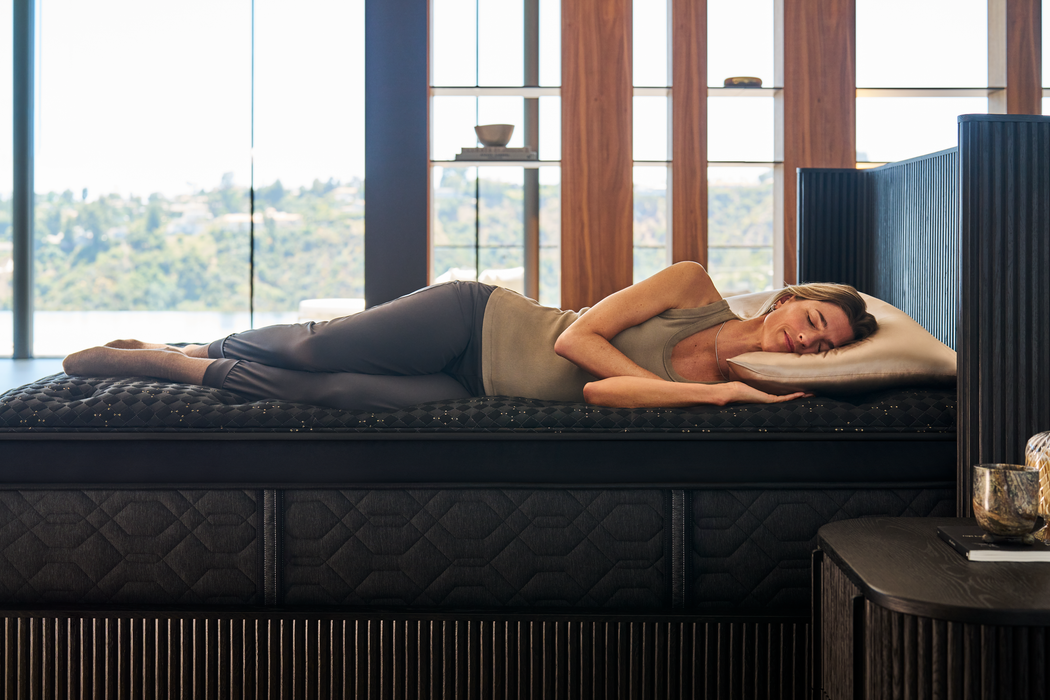
If you’re a side sleeper, your shoulders and hips carry most of your weight, creating concentrated pressure points that can lead to numbness, tingling, and sleep disruptions.
A soft mattress can provide the necessary contouring for side sleepers, helping to prevent pressure points, but if it's too soft, it may cause spinal misalignment.
Recommended firmness: Medium soft to medium (about 4–6 on the scale) for most side sleepers between 130–230 lbs.
|
Body Weight |
Suggested Firmness Range |
|---|---|
|
Under 130 lbs |
4–5 |
|
130–230 lbs |
5–6 |
|
Over 230 lbs |
6–7 (with thicker comfort layers) |
Consistent side sleepers should look for mattresses with clear pressure relief descriptions. When shopping for a mattress online, pay attention to reviews mentioning reduced shoulder or hip pain after several months of use, not just first impressions.
Back Sleepers
Back sleepers need a mattress that fills the natural curve of the lower back while keeping the spine in a neutral “standing tall” posture throughout the night.
Recommended firmness: Medium to medium firm (about 5–7), with a gentle surface cushion over a stable support core.
-
Sleepers under 130 lbs may prefer closer to 5–6
-
Sleepers over 230 lbs often need 7–8 with denser foams or stronger coils
Quick self-check: When lying on your back, someone viewing from the side should see a mostly straight line from your neck to your tailbone. If your hips sink noticeably lower than your shoulders, the mattress is too soft to provide adequate support for consistent rest.
Stomach Sleepers
Stomach sleeping makes it easy for the lower back to bow into a U-shape, which often causes morning back pain and restless nights as your body unconsciously tries to correct the misalignment.
Recommended firmness: Firm, or at least medium firm (around 6.5–8), with strong support under the hips.
|
Body Weight |
Suggested Firmness Range |
|---|---|
|
Under 130 lbs |
6–7 |
|
130–230 lbs |
7–7.5 |
|
Over 230 lbs |
7.5–8 |
Stomach sleepers should pair their firm mattress with a low or adjustable-loft pillow to prevent neck strain. Even the best mattress can’t fix alignment issues caused by a pillow that’s too thick.
Combination Sleepers
If you’re a combination sleeper who rotates between side, back, and sometimes stomach positions throughout the night, you need a “middle of the road” firmness level combined with good responsiveness for easy movement.
Recommended firmness: Medium to medium firm (about 5.5–7) as a versatile range.
Look for mattresses described as “responsive,” “bouncy,” or featuring “fast-responding foam.” These terms indicate you’ll be able to roll over and change positions without fully waking or feeling stuck.
Combination sleepers should prioritize trial periods. Your comfort depends on how the bed feels across several positions over full nights, not a few minutes of testing in each position.
Step 3: Understand the Main Mattress Types and How They Affect Night-to-Night Consistency
Mattress materials, foam, springs, latex, and hybrids, behave differently over a full night and across months of use. Each type influences temperature regulation, motion transfer, weight distribution, and long-term durability in distinct ways.
For example, some hybrid mattresses are described as 'foam forward,' meaning they have a higher proportion of foam layers. This design makes them feel more conforming and cushioned, and the density of these foam layers can also affect their edge support.
Rather than just listing technical specifications, let’s focus on what each type actually feels like at 2 a.m. when you’re trying to stay asleep.
All-Foam (Including Memory Foam and Polyfoam)
All foam mattresses are built entirely from layers of memory foam and/or polyfoam without any coils. Memory foam mattresses have become extremely popular for good reason.
Strengths:
-
Excellent motion isolation (ideal for light sleepers and couples)
-
Deep contouring that cradles shoulders and hips
-
Targeted pressure point relief that can reduce nighttime awakenings for side sleepers
-
Quiet, no squeaks or spring noises
Potential downsides:
-
Some models trap body heat, causing sleepers to sleep hot
-
Very soft or low-density foams can develop body impressions within a few years
-
Deep sinkage can make position changes feel difficult
Density guidelines for longevity:
|
Sleeper Weight |
Minimum Comfort Layer Density |
|---|---|
|
Under 200 lbs |
~3 lb/ft³ |
|
Over 200 lbs |
~4 lb/ft³ or higher |
Higher-density foams maintain their shape longer, providing more consistent support layers over the mattress's lifespan.
Innerspring
Innerspring mattresses rely on a coil-based core topped with thinner comfort layers of foam or fiber. Innerspring mattresses tend to have a more traditional feel that many sleepers prefer.
Strengths:
-
Strong edge support (easier to get in/out of bed, more usable surface)
-
Excellent airflow through coil systems (cooler for people who overheat)
-
Buoyant, responsive mattress feel that makes position changes easy
-
Often more affordable at entry-level price points
Potential downsides:
-
Less pressure relief than thick foam beds
-
Cheaper innerspring models can develop squeaks or uneven support
-
Higher motion transfer, especially with interconnected coil systems
If you share a bed with a partner, look for individually pocketed coils rather than interconnected spring mattresses. Pocketed coils move independently, reducing how much you feel your partner’s movements.
Latex
Latex mattresses use dense, springy foam derived from rubber. Natural latex comes from rubber tree sap, while synthetic versions offer similar performance at a lower cost.
Strengths:
-
Sleeps cooler than most memory foam options
-
Responds quickly to movement (great for combination sleepers)
-
“Lifted” feels rather than deep sinking
-
Exceptional durability, quality latex foam can stay supportive 8–12 years or longer
-
Naturally hypoallergenic, resisting dust mites
Potential downsides:
-
Heavier and harder to move
-
Generally higher price point than comparable foam options
-
Less conforming than memory foam (which some sleepers prefer)
Latex layers make excellent comfort layers in hybrid designs, combining responsiveness with spinal support.
Hybrid
Hybrid mattresses combine a coil support core with thicker foam or latex comfort layers on top. This design aims for the “best of both worlds.”
Some hybrid mattresses are described as 'foam forward,' meaning they have a higher proportion of foam layers. This results in a more conforming, cushioned feel and can affect edge support depending on the density of the foam used.
Strengths:
-
Better airflow and firm support from coils
-
Pressure relief and motion isolation from foam/latex layers
-
Can be tuned to nearly any firmness level
-
Good option for couples with mixed sleep styles
-
Strong edge support from reinforced coil perimeters
Potential downsides:
-
Generally heavier than all-foam options
-
Higher price points for quality construction
-
Quality varies significantly across price ranges
When evaluating hybrid beds, check for clear information on coil count, coil gauge (lower numbers = thicker, more durable metal), and comfort layer density. These specs help predict whether support will remain consistent over several years.
Step 4: Key Features That Help You Sleep the Same Way Every Night
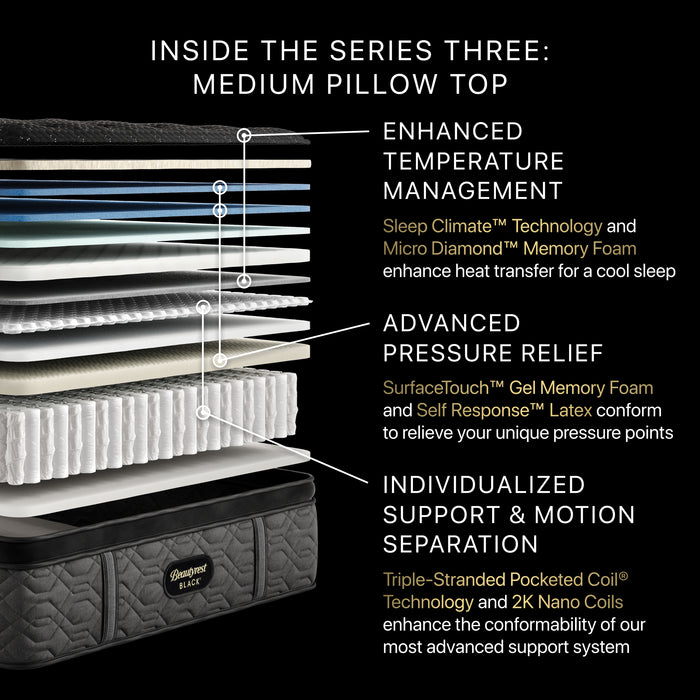
The difference between a bed that feels good on day one and one that keeps performing night after night comes down to a handful of critical features. These are worth prioritizing regardless of which particular mattress type you choose.
Motion Isolation
Motion isolation measures how much you feel when a partner or pet moves on the other side of the bed. Poor motion isolation is a major cause of fragmented sleep for couples; studies suggest roughly 60% of partnered sleepers report disturbances from their partner’s movements.
What performs best:
-
All-foam mattresses (especially memory foam): Excellent isolation
-
Hybrids with thick foam layers and pocketed coils: Very good
-
Latex: Good to moderate
-
Innerspring with interconnected coils: Often poor
In-store test: Have someone roll or shift positions on one side while you lie still on the other. Notice how much movement transfers to your side.
Online shopping tip: Look for reviews explicitly mentioning better sleep for couples and less disturbance from partner movement after several months of use.
Temperature Regulation
Overheating is one of the most common reasons people wake up and struggle to fall asleep again. Your core body temperature needs to drop 1–2°F to initiate deep sleep, so a mattress that traps body heat works against your natural sleep cycle.
Cooling rankings (general):
|
Mattress Type |
Typical Temperature Performance |
|---|---|
|
Innerspring |
Coolest (open coil airflow) |
|
Latex |
Cool (naturally breathable) |
|
Hybrids |
Moderate to cool |
|
Dense memory foam |
Warmest (without cooling tech) |
|
Gel-infused foam |
Moderate |
If you tend to sleep hot, prioritize:
-
Coil-based designs for maximum airflow
-
Open-cell foam structures
-
Breathable covers
-
Phase-change materials in comfort layers
Your bedding and room temperature matter too, but the mattress itself shouldn’t noticeably trap heat after 20–30 minutes of lying still.
Edge Support
Edge support describes how solid and stable the mattress feels near its sides when sitting or lying near the perimeter.
Why it matters for consistent sleep:
-
Strong edges make it easier to get in and out of bed without disturbing your partner
-
You can use the full width of the mattress without feeling like you might roll off
-
Sitting on the edge to get dressed or tie shoes feels more secure
Many innerspring and hybrid mattresses reinforce edges with thicker-gauge coils or high-density foam borders. Softer all-foam beds often compress more at the perimeter.
When testing in person, sit and lie on the edge for at least 30–60 seconds. If you feel yourself sliding or the edge collapsing significantly, that’s a concern for long-term usability.
Durability and Long-Term Support
A mattress feels great for six months, but develops visible sagging after two years, and won’t support consistent sleep through its intended lifespan. Durability is where budget and value intersect.
Simple durability clues:
-
Higher foam densities (3+ lb/ft³ for comfort layers, 1.8+ lb/ft³ for support foam)
-
Robust coil gauges (lower numbers indicate thicker, more durable metal)
-
Perimeter reinforcement
-
At least a 10-year warranty from most quality options
-
CertiPUR-US certification for foams (verifies low volatile organic compounds)
Research tip: Check customer reviews that are at least 12–24 months old to see how support and comfort hold up over time. First-week reviews rarely reflect long-term performance.
Be skeptical of very low-priced mattresses that promise luxury materials but omit detailed specifications. An expensive mattress isn’t automatically better, but extremely cheap options often cut corners on density and construction quality.
Step 5: How to Test Mattresses (In-Store and Online) for Real-World Comfort
Quick showroom tests and online guesses can be misleading unless you approach testing with a structured method. Your goal is to simulate an entire night’s sleep as closely as possible in whatever time you have.
Testing in a Store
Visiting mattress stores remains valuable despite the rise of online shopping. Here’s how to make the most of in-person testing:
Before you go:
-
Wear comfortable clothes (not restrictive jeans or work attire)
-
Bring your usual pillow, if possible, to better mimic your home setup
-
Narrow your list to 2–3 mattresses based on your sleep position and firmness needs
At the store:
-
Lie on each mattress for at least 10–15 minutes (set a timer if needed)
-
Spend most of that time in your primary sleep position
-
Also, test your secondary position if you’re a combination sleeper
-
Focus on lower back comfort, shoulder and hip pressure, and ease of changing positions
-
Stand up between tests and notice how your back and hips feel immediately
Any immediate tension, pressure, or discomfort when standing is a red flag for long-term consistency. Your body is telling you something isn’t right.
Using At-Home Trials
Many direct-to-consumer mattresses include trial periods ranging from 90 to 365 nights. These at-home trials can be more useful than brief showroom testing because you experience the mattress under real conditions.
Making the most of trials:
-
Commit to at least 30 consecutive nights unless you’re experiencing genuine pain
-
Allow your body and the materials time to adjust (most adaptation happens in weeks 2–4)
-
Keep a simple sleep log for the first 4–6 weeks
Sample sleep log entries:
|
Date |
Bedtime |
Awakenings |
Morning Pain (0-10) |
Rested Feeling |
|---|---|---|---|---|
|
Week 1 |
10:30 pm |
2 |
4 |
Moderate |
|
Week 3 |
10:15 pm |
1 |
2 |
Good |
|
Week 5 |
10:30 pm |
0 |
1 |
Very good |
Before purchasing, check:
-
Minimum trial length before returns are allowed (some require 30 nights before processing returns)
-
Any return or pickup fees
-
Whether returns go through the brand directly or a third-party retailer
-
Mattress protector requirements to keep the trial valid
Step 6: Choose the Right Size and Setup for Your Room and Lifestyle
Even the best mattress can’t deliver consistent sleep if it’s too small for your needs, cramped in your space, or poorly supported by an inadequate bed frame.
Picking the Right Mattress Size
Choosing the right mattress size affects sleep quality more than many people realize, especially for couples.
Standard mattress dimensions:
|
Size |
Dimensions |
Best For |
|---|---|---|
|
Twin |
38” × 75” |
Children, small adults |
|
Twin XL |
38” × 80” |
Taller single sleepers |
|
Full/Double |
54” × 75” |
Single adults |
|
Queen |
60” × 80” |
Couples, most bedrooms |
|
King |
76” × 80” |
Couples wanting more space |
|
Cal King |
72” × 84” |
Taller couples |
General recommendations:
-
Solo adults often do best with at least a full/double, though queens offer more room to spread out
-
Most couples sleep more consistently on a queen or king-size bed
-
Taller sleepers (over 6 feet) may be more comfortable on twin XL, queen, or king length
-
A king provides each partner with roughly the same width as a twin, significantly reducing the chances of bumping each other
Remember that changing your mattress size often means replacing the bed frame, sheets, and protector. Factor these costs into your budget when considering a size mattress upgrade.
Frame, Base, and Accessories That Support Consistent Sleep
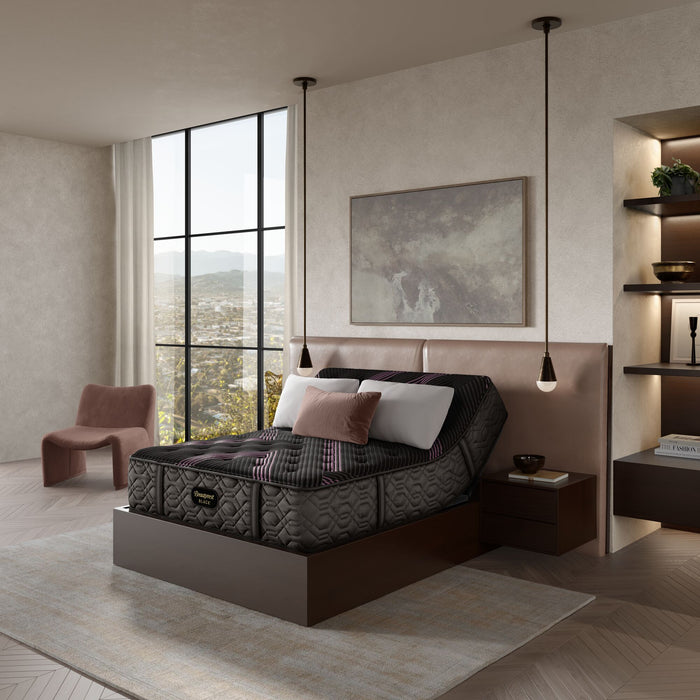
Your mattress can only perform as well as what’s underneath it. A quality bed frame or foundation prevents premature sagging and keeps the mattress feeling even across its surface.
Foundation requirements:
-
Platform bases work well for most foam and hybrid mattresses
-
Slatted frames should have slats no more than 3 inches apart
-
Check manufacturer guidelines; using the wrong base can void your warranty
Helpful accessories:
-
Breathable mattress protector: Guards against spills, sweat, and allergens without noticeably changing the mattress's feel
-
Proper pillows: Choose based on your sleep style; side sleepers need loftier pillows, stomach sleepers need thinner ones
-
Quality sheets: Breathable materials like cotton or bamboo help with temperature regulation
A good mattress protector creates a healthier sleep environment by protecting against dust mites, moisture, and allergens that can disrupt sleep over time.
Step 7: Balance Budget, Value, and Long-Term Sleep Quality
A mattress is a multi-year investment in your nightly sleep, not just a one-time purchase. Thinking about it this way helps put the price in perspective.
Realistic Price Ranges
Quality mattresses span a wide range, but here’s a general breakdown:
|
Category |
Typical Price Range |
What to Expect |
|---|---|---|
|
Budget |
$300–$700 |
Basic materials, shorter lifespan |
|
Mid-range |
$700–$1,500 |
Solid construction, reasonable durability |
|
Premium |
$1,500–$3,000+ |
Higher-density materials, longer warranties |
Frequent seasonal discounts (holiday weekends, Black Friday, etc.) can bring premium options into mid-range territory.
Prioritizing Features Within Budget
Rather than simply buying the most expensive mattress you can afford, set a target budget range and then prioritize must-have features:
Must-haves (prioritize these first):
-
Correct firmness level for your body shape and sleep position
-
Appropriate mattress type (foam and hybrid mattresses, innerspring, etc.)
-
Motion isolation if you share the bed
-
Cooling features if you tend to overheat
Nice-to-haves (if budget allows):
-
Extended trial periods
-
Longer warranties
-
Premium cover materials
-
Zoned support systems
An $800 mattress that matches your firmness needs and sleep style will outperform a $2,000 mattress that’s too firm or too soft. Finding the right mattress matters more than finding the most expensive one.
Maintaining Your Mattress So It Stays Consistent Night After Night
Even the perfect mattress needs basic care to avoid developing dips, odors, and allergen buildup that can affect sleep quality over time.
Regular maintenance checklist:
-
Rotate head-to-foot every 3–6 months (if the design allows) to distribute wear and reduce body impressions
-
Use a breathable, waterproof protector and wash it monthly
-
Wash bedding weekly to control dust mites and moisture
-
Vacuum the mattress surface every few months using an upholstery attachment
-
Follow the manufacturer's cleaning instructions for any stains
-
Check your bed frame or slats periodically for looseness, sagging, or damage
Consistent spinal support also depends on maintaining the foundation. A new bed works best on a sturdy, level base that doesn’t flex or bow under weight.
Bringing It All Together: Building a Sleep Setup You Can Rely On
Choosing a mattress that supports consistent sleep comes down to aligning three key factors: the right firmness level for your body and preferred sleep position, a mattress type that matches your priorities (cooling, motion isolation, responsiveness), and key features that maintain performance over years of use.
Think in terms of long-term patterns rather than first impressions. The best mattress for you is one that quietly supports you every night, not one that feels impressive in the first few minutes but loses its magic after a few months.
Thoughtful testing, whether in mattress stores or through an at-home trial, combined with realistic expectations about materials and lifespan, leads to fewer regrets and more restful nights. Keep a simple sleep log during your trial period, give your body time to adjust, and trust the data over gut feelings.
Choosing the right mattress today can improve how you feel each morning for the next decade. That makes it one of the highest-impact decisions you can make for your home, your health, and your daily energy levels. Take the time to get it right, and you’ll wake up grateful you did, night after night, year after year.
Get Your Mattress at Dow Furniture Today
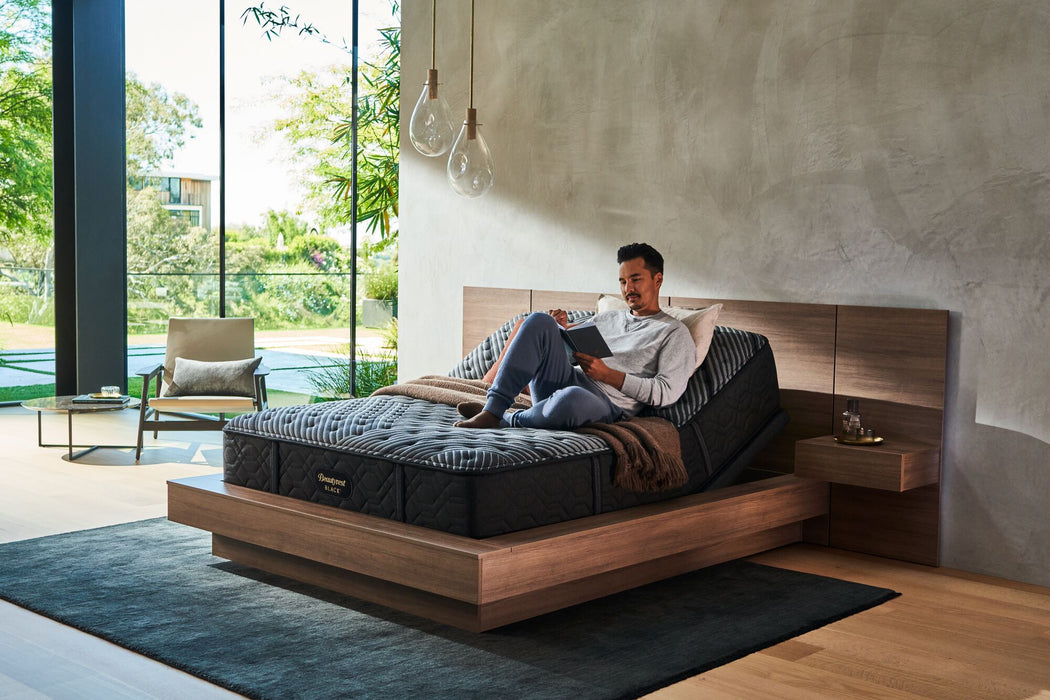
A good night’s sleep starts with the right mattress. At Dow Furniture, our mattress collection features a variety of options designed for comfort, support, and lasting quality. From memory foam and hybrid models to classic innerspring designs, each mattress is selected to help you rest better and wake up refreshed.
Explore our mattress collection today and find the perfect mattress for your sleep needs. Whether you’re upgrading your bed or furnishing a guest room, Dow Furniture offers options that combine comfort, durability, and everyday value.