
How to Pick Living Room Furniture That Supports Guests
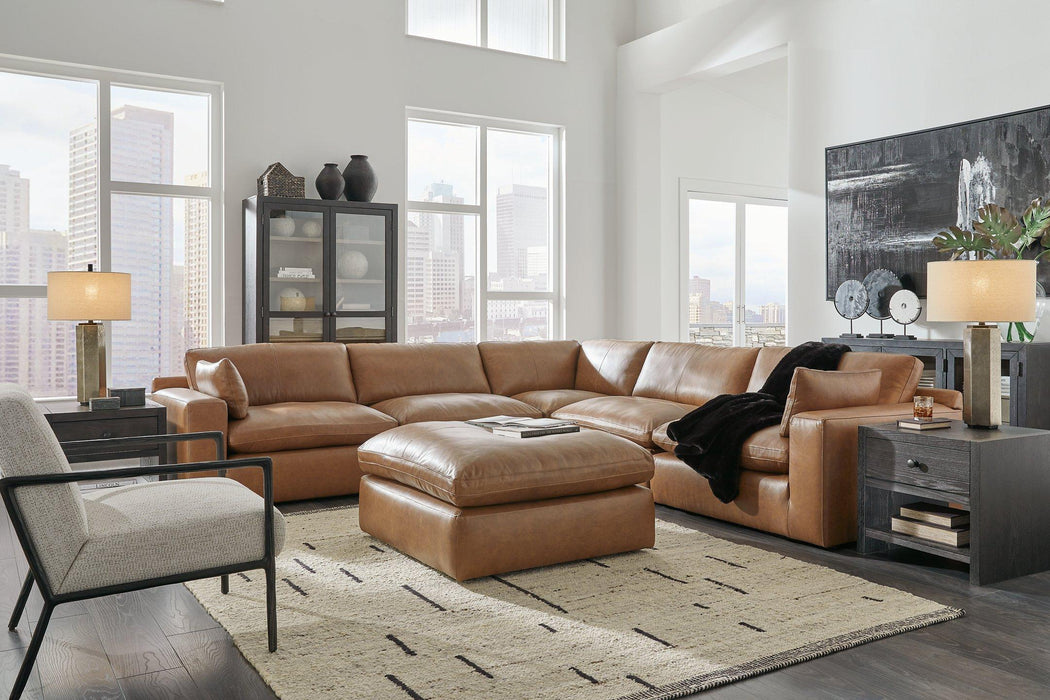
Guest-friendly living room furniture starts with understanding how you actually use your space when people come over. Maybe you host movie nights where everyone needs a clear view of the TV. Perhaps your style leans toward game evenings with friends gathered around a coffee table, or casual drinks where conversation flows freely across the room.
This article will give you ideas for how to arrange living room furniture to support guests, offering inspiration for layouts that maximize comfort, visibility, and flow. The focus is on practical furniture choices for modern homes, from small apartments to open-plan family rooms that double as dining areas and media rooms.
You’ll learn how to nail smart seating capacity, including how much seating you really need for your typical gatherings, create flexible furniture layouts, position surfaces within reach, integrate storage for quick tidying, and prepare for overnight guests when your living room needs to do double duty.
Step 1: Decide How Many Guests You Need to Seat Regularly
Before you shop for a single piece of room furniture, you need to know your target number. Determining how much seating you need is crucial for planning a living room that supports guests. Seating count is the foundation of every guest-friendly furniture decision you’ll make.
Think honestly about your hosting habits. How often do you have people over? How many typically show up? Your answers shape everything from couch size to whether you need extra seating options tucked away for overflow.
Here’s how different scenarios typically break down:
For a small living room or limited space, aim to seat 4 guests comfortably. Comfortable seating is essential, and options include sofas, loveseats, and accent chairs. This usually means a two- or three-seat sofa plus one or two chairs.
For average homes with moderate entertaining, plan for 5–6 seats. A three-seat comfortable sofa paired with two accent chairs and one ottoman gives you flexibility without crowding the floor.
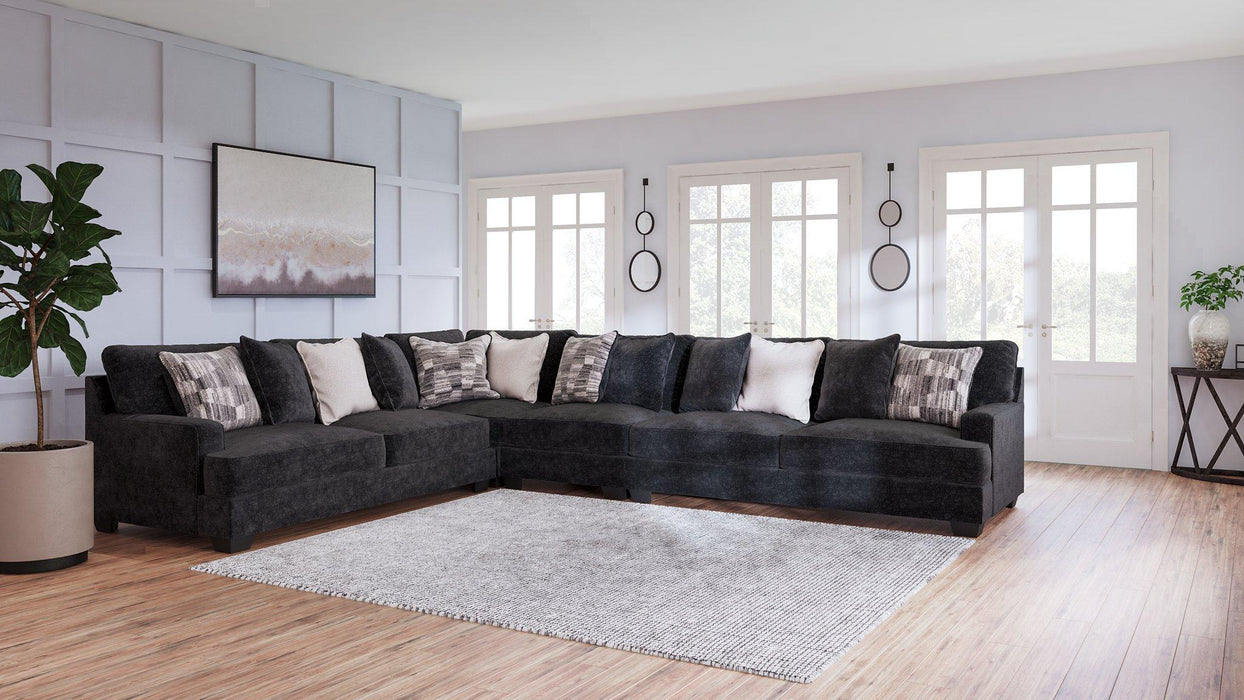
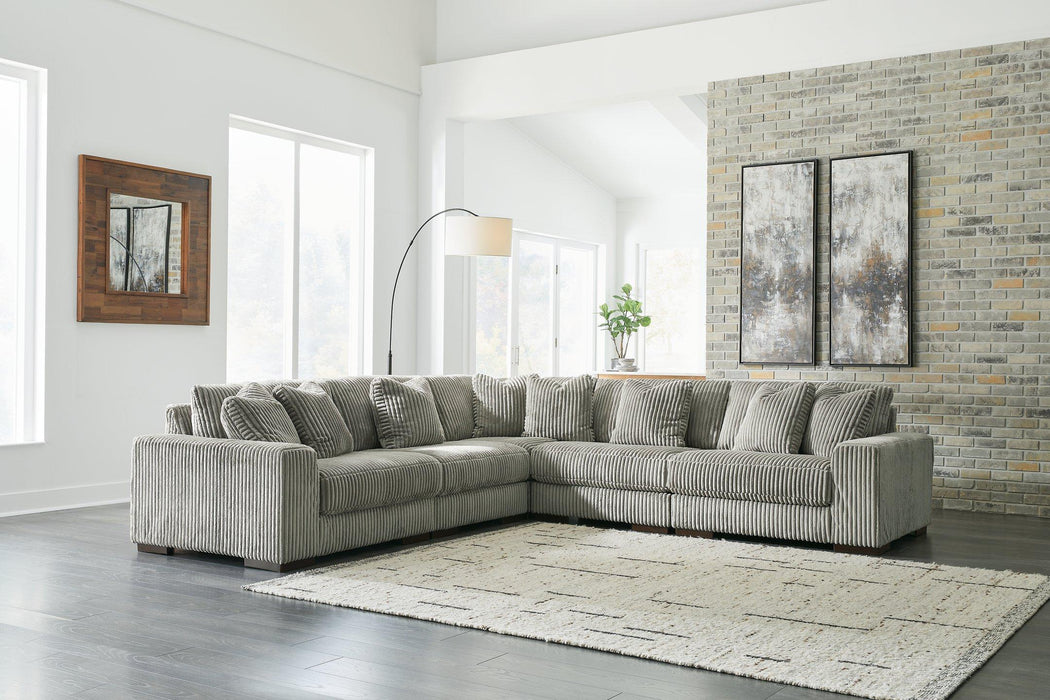
For frequent entertainers or those with a large living room, build toward 8+ spots. Think two sofas facing each other, or a sectional supplemented by a bench and a couple of lightweight stools. Modular sectionals offer flexibility in arrangement and provide ample seating for guests.
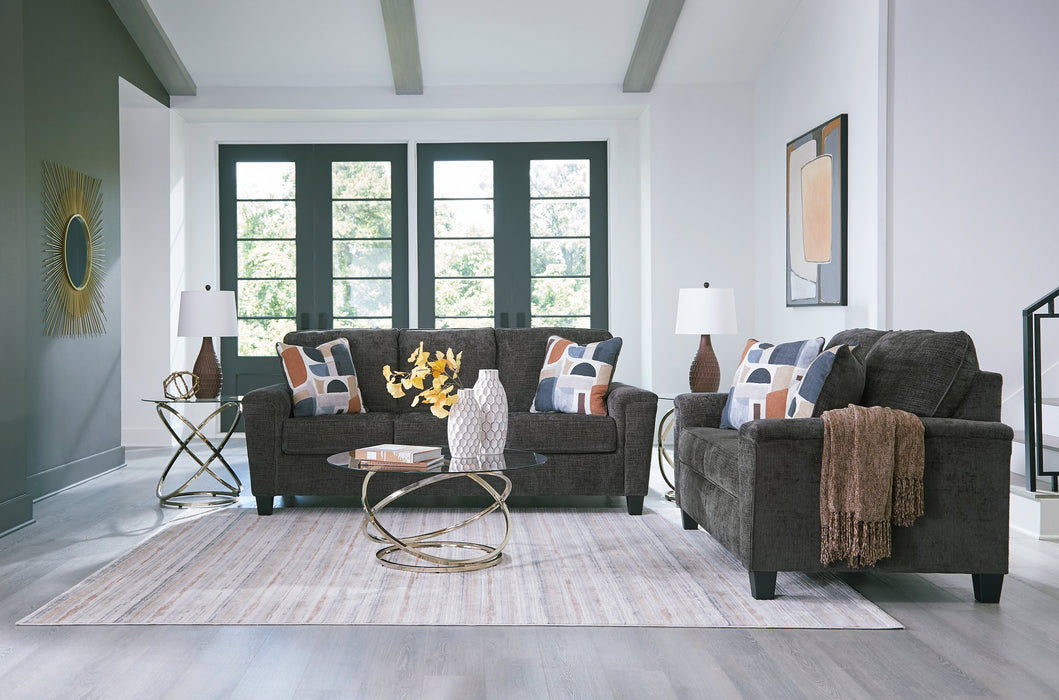
Here’s a practical example: If you regularly host six people for dinner and drinks, you might arrange a three-seat sofa (3 spots) + 2 armchairs (2 spots) + 1 large ottoman that doubles as seating (1–2 spots). That’s 6–7 comfortable places for guests without cramming the room.
Before buying anything, measure your room carefully and sketch a simple floor plan. Mark approximate furniture footprints to see how much walking space remains. Even rough dimensions on graph paper can save you from expensive mistakes.
One critical rule for conversation: keep people within about 8 feet of each other. Beyond that distance, guests have to raise their voices, and the room feels shifts from an intimate gathering to shouting across a void.
In 2026, prioritize modular seating, convertible sleepers, and multifunctional storage pieces to maximize guest comfort and flexibility.
Step 2: Choose the Right Sofa as Your Anchor Piece
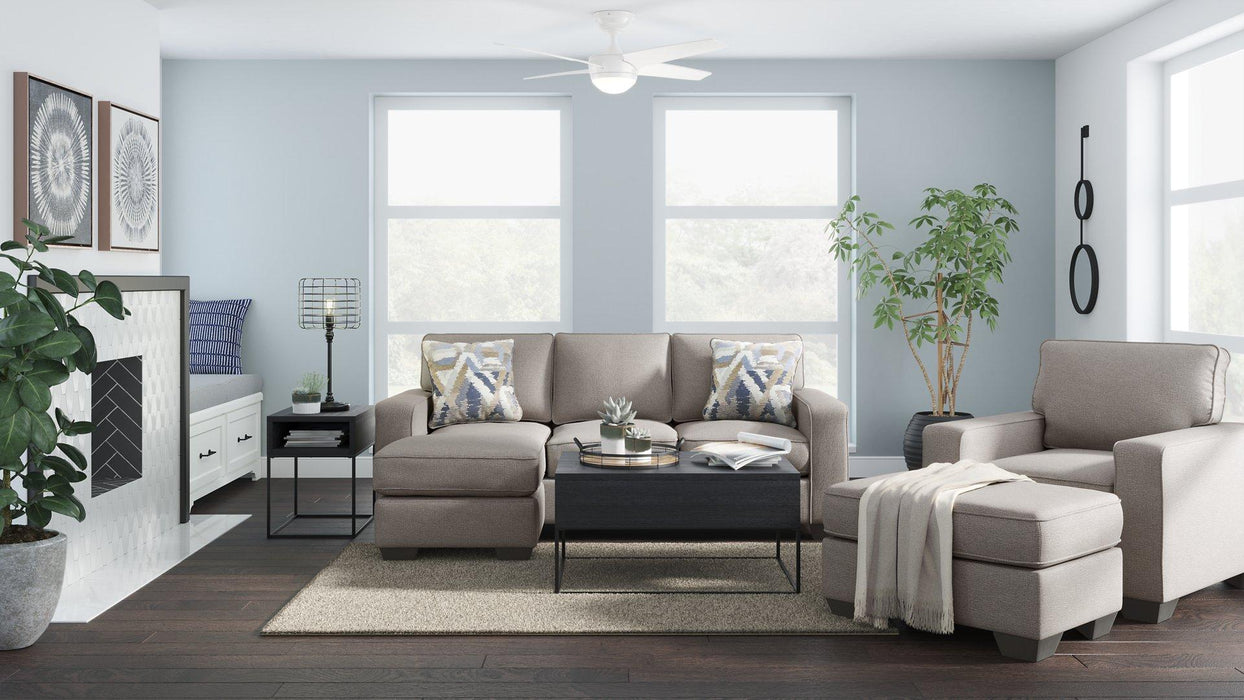
The couch does most of the heavy lifting in your living space, for daily life and for hosting. It’s typically the first piece guests notice and the spot most people gravitate toward, so getting it right matters. For small to mid-size living rooms, the Povison Retro Hand-Tufted Beige Chenille Sofa is an ideal option for style-conscious loungers who want deep comfort plus an ottoman.
Sizing Your Sofa
In most rooms, your sofa length should be about one-third of the longest wall. This creates visual balance without overwhelming the space.
Leave at least 30 inches of clear walking space around major traffic flow paths. If the front door opens into the living room, you need that breathing room so guests aren’t squeezing past furniture to enter.
For smaller rooms, consider apartment-sized sofas (around 70–80 inches long) that still seat two to three people comfortably.
Seat Depth for Mixed Use
Seat depth affects how guests sit and how long they stay comfortable:
-
20–23 inches deep: Better for upright conversation, easier for shorter guests to keep feet on the floor
-
24–26 inches deep: Great for lounging and movie nights, but may feel too deep for formal gatherings
If you split time between hosting dinner parties and binge-watching with friends, aim for the middle ground around 22–24 inches.
Configurations That Work
Different sofa styles serve different hosting needs:
-
Standard sofa: Seats 2–3 people, works in nearly any room size, pairs well with separate chairs
-
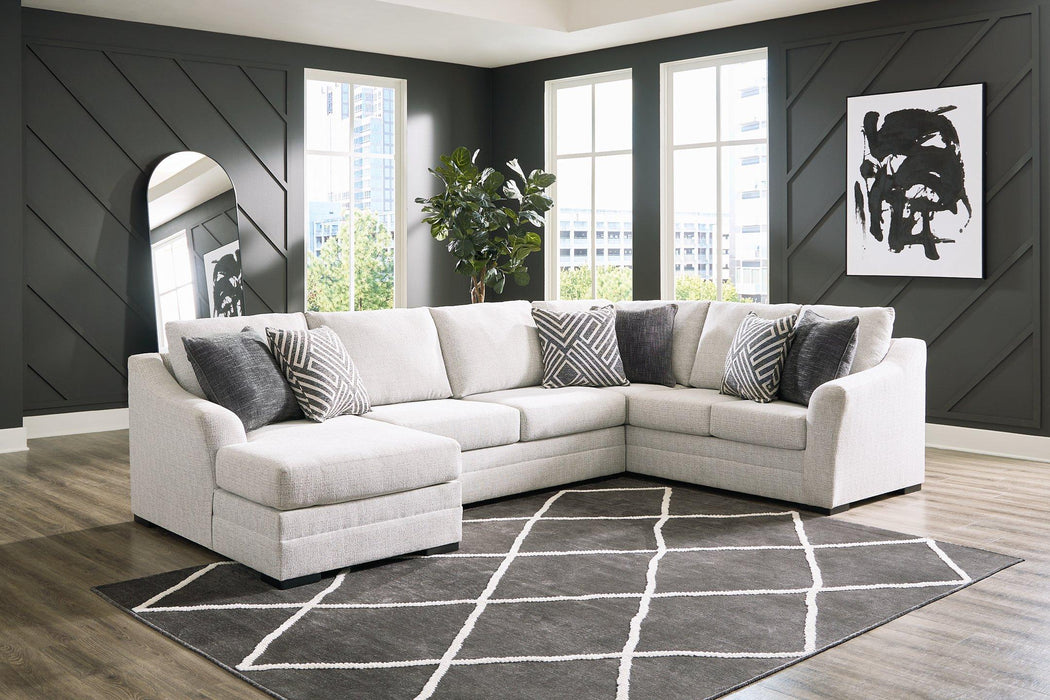
L-shaped sectional: Maximizes seating in a corner, great for TV viewing, but can limit furniture arrangement flexibility
-
Chaise sectional: Offers lounging plus seating, ideal for casual spaces
-
Two sofas facing each other: Creates a perfect opportunity for conversation in a large living room
Fabric and Durability
For homes that entertain often, practical fabric choices matter:
-
Tight-weave performance fabrics resist stains and clean easily
-
Removable cushion covers let you wash away spills
-
Medium-tone colors (gray, navy, olive, camel) hide minor stains better than white or black
-
Look for fabrics rated above 50,000 double rubs for durability
Finally, test arm height and back support before you buy. Guests need to sit comfortably for a couple of hours during a dinner party. Arms that are too low make standing up awkward; backs that are too short leave taller guests unsupported.
Step 3: Add Guest-Friendly Chairs and Flexible Seating
Relying solely on one big sofa forces guests to sit shoulder-to-shoulder with people they may have just met. To achieve the best layout for guest comfort, arrange seating in L-shaped or U-shaped configurations to create conversation areas and encourage interaction. A mix of seating types, chairs, benches, and ottomans gives people options and makes hosting easier for everyone. When you arrange seating, position your main seating elements no more than 2.5 metres apart, and ensure there's clear walking space of at least 90 centimetres between pieces. Maintain at least 90cm for main walkways and 45-50cm between seating pieces and tables to optimize comfort and accessibility for your guests.
The Role of Accent Chairs
Accent chairs are your conversation workhorses. They let guests choose their own spot, adjust their angle, and maintain personal space.
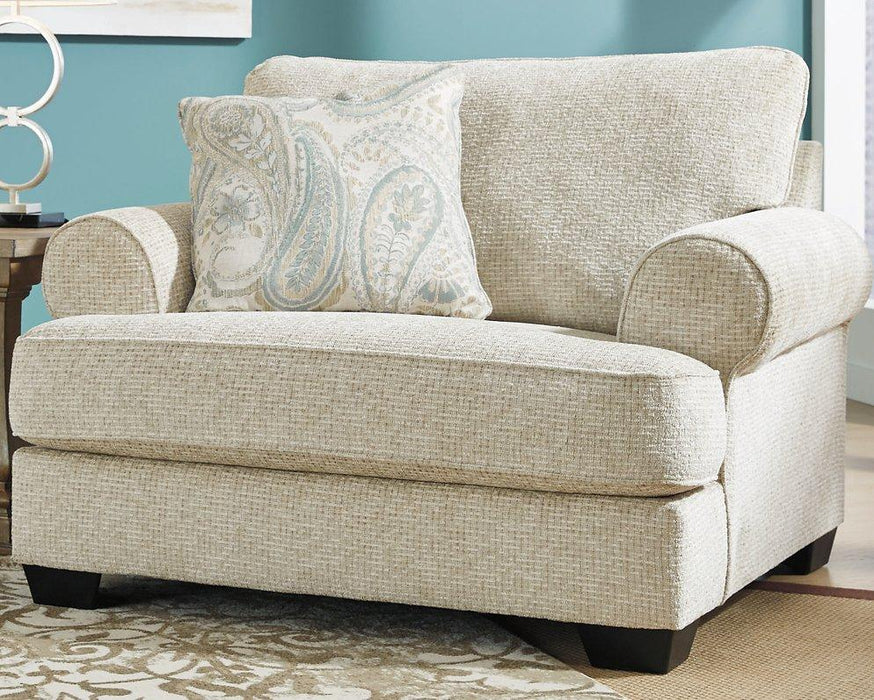
Look for chairs that are upright enough for conversation but not so stiff that guests feel like they’re at a job interview. Width matters too: chairs between 28 and 34 inches wide fit comfortably in most living rooms without dominating the space.
Place chairs to maintain sightlines to both other guests and any room’s focal point, whether that’s a fireplace, a TV, or a window with a view. Angling chairs slightly inward toward the conversation area creates a natural flow.
When Swivel Chairs Make Sense
In open-plan homes where the living room flows into the dining area or kitchen, swivel chairs solve a common problem. Guests can turn to join the kitchen conversation, then pivot back to face the sofa without rearranging furniture.
They’re also helpful in rooms with multiple focal points, say, a fireplace on one wall and a TV on another.
Versatile Pieces That Pull Double Duty
Flexible seating options are a great example of smart furniture choices:
-
Poufs and floor cushions can serve as footrests, extra seats, or casual perches for kids
-
Storage ottomans hide blankets and board games while providing seating or a table surface with a tray
-
Garden stools (12–18 inches high) slip beside sofas for 1–2 extra guests and work as side tables when empty
For these pieces to work as seating, match their height close to your sofa’s seat height. A 6-inch difference is manageable; more than that feels awkward.
Spacing Guidelines
Position chairs about 14–18 inches from the coffee table. This gives legroom and lets guests reach drinks without straining forward.
Aim for at least two independent seats beyond the main sofa. This simple rule ensures guests aren’t forced into a lineup and can choose their comfort level.
Must-have flexible seats for frequent hosts:
-
At least 2 accent chairs positioned for conversation
-
1 ottoman or pouf that can shift from footrest to seat
-
1 lightweight stool or bench for overflow crowds
Step 4: Plan Layouts That Support Conversation and Flow
Even the best furniture pieces fail guests if they’re arranged poorly. When you arrange living room furniture and arrange seating thoughtfully, you optimize the layout and flow, making the space more comfortable and inviting for guests. Guest-supportive layouts need two things: clear conversation zones where people can talk without shouting, and unobstructed paths so no one trips navigating to the kitchen. Always consider the flow of foot traffic when planning your living room layout to ensure it feels welcoming and functional.
Three Layouts That Work
Conversation-first layout: Position the sofa facing two chairs with a square coffee table or a large coffee table in the center. This arrangement, used for centuries in formal parlors, keeps everyone within easy speaking distance. It works beautifully in square rooms and puts conversation ahead of TV viewing.
TV + conversation layout: A sectional facing the TV anchors the room, with an additional chair that can pivot or swivel. Guests watching the screen sit on the sectional; those who’d rather chat turn toward the rest of the room. This suits the family room or media room, where entertainment is part of hosting.
Multi-zone layout: For open space areas, create a main seating arrangement plus a small side nook, maybe two chairs and a bistro-height sofa table near a window. This gives guests options and works well when you’re hosting both a dinner party and a casual hangout crowd.
Spacing Rules to Follow
Proper spacing prevents that cramped, furniture-stuffed room feel:
-
Keep 30–36 inches for main walkways (traffic flow paths from front door to kitchen, for example)
-
Leave 14–18 inches between the sofa and the coffee table for legroom
-
Avoid placing furniture directly in front of doorways
-
Maintain at least 18–24 inches around the perimeter for foot traffic
Float Your Furniture
In rooms with open space to spare, pull furniture away from the walls. Floating the sofa even 6–12 inches creates more natural pathways behind it and makes conversation easier. A console table or sofa table behind a floating sofa adds extra surface for lamps and drinks.
For long, narrow rooms, try placing two sofas or a sofa facing a bench across from each other. This creates a cozy conversation pit in the center while keeping walking space along the edges.
Key measurement rules:
-
8–10 feet maximum between seats for comfortable conversation
-
30 inches minimum for primary walkways
-
14–18 inches between seating and coffee table
-
36 inches in front of doorways for clear entry
Step 5: Surfaces, Storage, and Lighting That Make Guests Comfortable
Guests notice the small stuff: Is there somewhere to set a drink? Can I see faces, or is the lighting harsh? Where did the host find a blanket so quickly? These details separate rooms that merely seat people from rooms that truly welcome them. Here are some ideas for creative surfaces, storage, and lighting solutions that make your living room both functional and inviting.
When planning lighting, use a mix of ambient, task, and accent lighting to create a cozy atmosphere. Layered lighting, combining overhead lights with floor and table lamps, adds a warm, inviting glow and helps guests feel comfortable.
For surfaces, coffee tables, side tables, end tables, console tables, and sofa tables are critical for a functional living room. Storage coffee tables or ottomans provide surface area for drinks while hiding clutter. Multi-functional lift-top coffee tables can convert into dining surfaces or workspaces, offering flexibility for entertaining or working from the sofa. Most living rooms benefit from a comfortable sofa, a coffee table, at least one side table, and storage like a TV stand, sideboard, or shelving.
Incorporate smart storage options, such as coffee tables with drawers and benches, to keep the space clutter-free. The Crate & Barrel Libby 72" Natural Credenza can double as a TV stand or buffet while providing ample storage. The Burrow Index Wall Shelf set is a modular wall storage solution ideal for renters or homeowners who want flexible organization.
For finishing touches, incorporate natural elements like houseplants or fresh flowers to make the space feel lived-in and welcoming.
Coffee Tables
The coffee table anchors your seating arrangement and gives guests a shared surface. A few guidelines:
-
Length should be about two-thirds of your sofa’s length for visual balance
-
Height should match or sit slightly below sofa seat height (16–18 inches typical)
-
Materials matter: wood and metal with durable tops handle frequent use; tempered glass works for adult-only households
-
In tight spaces, avoid sharp corners; rounded edges prevent bruised shins
For a small space, consider nesting occasional tables that spread out for parties and stack away for daily life.
Side Tables and Console Tables
Every guest should have a surface within arm’s reach. This is non-negotiable for comfortable hosting.
-
Side tables work best when they’re roughly the same height as the sofa or chair arms
-
Console tables behind floated sofas add lamp spots and drink surfaces without cluttering the main conversation zone
-
If you’re working with limited space, consider C-tables that slide under sofa arms, which provide a surface without eating floor area
Hidden and Open Storage
Storage furniture keeps your living room guest-ready on short notice:
-
Closed cabinets hide board games, spare throws, and toys for quick pre-visit tidying
-
Open shelves display books and décor that give guests something to look at and spark conversation
-
Baskets under consoles or inside storage ottomans swallow clutter in seconds
-
A trunk-style coffee table stores blankets while serving as a surface
Lighting Layers
Lighting affects how guests feel more than most people realize:
-
Overhead light on a dimmer provides general brightness you can adjust for mood
-
1–2 table or floor lamps near the main seating support reading, games, and face-to-face conversation
-
For glare-free TV viewing, place lamps behind or beside seats rather than next to the screen
-
Consider a lamp on the console table behind the sofa, which casts warm light without shining in anyone’s eyes
Guest comfort checklist:
-
Drink surface within reach of every seat
-
Coasters are easily accessible (not buried in a drawer)
-
Spare throw blankets in a basket or ottoman
-
Phone charging options (outlet access or charging station)
-
Side table or tray for snacks near the main seating
Rugs and Flooring for Comfort and Style
When designing a living room that truly supports guests, rugs and flooring are just as important as your choice of living room furniture. The right rug not only adds comfort underfoot but also helps define your seating arrangement, enhances your room’s focal point, and ties together your overall style.
In a small living room, a well-chosen rug can make the space feel larger and more inviting. Position a rug so it anchors your comfortable sofa, square coffee table, and accent chairs, creating a cozy zone for conversation. Make sure the rug is large enough for at least the front legs of your furniture pieces to rest on it, this visually connects your seating options and prevents the room from feeling disjointed. For smaller rooms, a low-pile or flatweave rug is a smart choice, as it stands up to foot traffic and is easy to clean, especially if your living space doubles as a dining area or sees a lot of daily life.
In a large living room or open-plan family room, use a generously sized rug to anchor your main furniture arrangement. A large coffee table, sectional sofa, and occasional tables can all sit comfortably on a single rug, helping to define the main conversation area and create a sense of unity. If your room has multiple zones, such as a media room setup with a TV and a separate reading nook, consider layering rugs or using different styles to visually separate each area while maintaining a cohesive look.
Rug material and pile height matter, especially in high-traffic spaces. For rooms with lots of foot traffic, like a family room or media room, opt for durable, low-pile rugs or natural fiber options that can handle wear and tear. In areas where you want extra comfort, such as under a coffee table or in front of a sofa, a plush rug adds warmth and encourages guests to kick off their shoes and relax. If your living room has hard floors, a rug also helps soften sound and makes the space more inviting.
Don’t forget about style; rugs are a perfect opportunity to introduce color, pattern, or texture to your living space. Use throw pillows and blankets to echo rug colors and tie your furniture choices together. A rug can also highlight your room’s focal point, whether it’s a fireplace, a TV, or a stunning window view, by drawing the eye and framing your seating arrangement.
In the dining room or dining area, a rug can define the space and add a layer of comfort underfoot. Choose a rug that’s large enough for chairs to slide in and out without catching on the edges, and opt for materials that are easy to clean in case of spills. Low-pile or natural fiber rugs are especially practical for dining rooms, balancing style with everyday functionality.
Ultimately, the best rugs and flooring choices are those that support your furniture layout, enhance your room’s style, and make guests feel at home. By considering your room size, traffic flow, and the way you arrange furniture, you can select rugs that not only look great but also create a comfortable, welcoming environment for every gathering. Whether you’re outfitting a small living room, a spacious family room, or a multi-purpose media room, the right rug is the finishing touch that brings your living space together.
Step 6: Prepare for Overnight Guests in the Living Room
Many living rooms moonlight as guest rooms, especially in one-bedroom apartments, city house layouts, or during holidays when the family room suddenly needs to sleep extra visitors. Planning for this dual purpose changes your furniture priorities.
Comparing Your Options
Sleeper sofa: The classic choice. Modern sleeper sofas have improved significantly, with mattress options ranging from twin to queen size. Expect to need 7–8 feet of clear floor space in front of the sofa when fully opened. The trade-off: sleeper mechanisms add weight and can make the sofa feel firmer for daily sitting.
Daybed with trundle: Works beautifully in a corner or against a wall, offering one sleeping surface that pulls out to become two. Great for kids’ sleepovers or guest rooms that double as home offices. Less traditional living room style, but perfect for the right space.
Deep sofa that sleeps one: Some sofas with 26+ inch seat depth comfortably sleep a single adult without any conversion mechanism. This works for occasional guests who don’t need a full bed setup.
Choosing Based on Your Reality
Consider how often overnight guests actually stay. If it’s once or twice a year, a deep sofa with a quality air mattress stored in a closet may serve you better than sacrificing everyday comfort for a sleeper mechanism.
If you host monthly, invest in a proper sleeper with a comfortable mattress, guests will thank you, and you’ll avoid the apologetic “sorry about the sofa” conversation.
Practical Considerations
A few details make overnight hosting smoother:
-
Measure clearance: sleeper sofas need an open floor in front to extend fully
-
Plan bedding storage: a storage ottoman, trunk-style large coffee table, or low cabinet near the sofa keeps sheets and pillows accessible
-
Consider window treatments: blackout curtains or layered shades give guests privacy and help them sleep past sunrise
-
Think about hard floors: if your living room has wood or tile, a rug under the seating area adds warmth for bare feet in the morning
Overnight-ready pieces to consider:
-
Sleeper sofa with queen-size innerspring or memory foam mattress
-
Storage ottoman for pillows and linens
-
Floor lamp with dimmer for late-night reading
-
Small tray or side table for glasses, phone, and water
Keep a dedicated “overnight kit” tucked in a nearby cabinet: extra pillows, throw blankets, a small tray for glasses and phones. When guests arrive unexpectedly, you’re ready in minutes instead of scrambling.
Conclusion: Build a Living Room That Truly Welcomes People In
Guest-supportive living rooms aren’t about buying the most expensive furniture sets or following rigid style rules. They combine enough seats arranged for real conversation, generous surfaces within reach, smart storage that keeps clutter hidden, and lighting that makes everyone look good.
Start with what you already own. Try rearranging your seating arrangement to create better traffic flow. Add a side table where guests have been balancing drinks on the sofa arms. Swap harsh overhead lighting for a lamp or two. These small changes often transform how a room functions before you spend a dollar on new furniture pieces.
The “right” living room furniture is simply the furniture that fits your room size, supports how you actually host, and keeps both your household and your guests comfortable for years of gatherings to come.
Picture your next game night, holiday dinner, or casual weekend hangout. Imagine guests settling into spots that feel intentional, reaching for drinks without awkward stretching, and staying late because the room just works. That’s a living room that truly welcomes people in, and now you know exactly how to create it.
Get Your Living Room Furniture at Dow Furniture Today
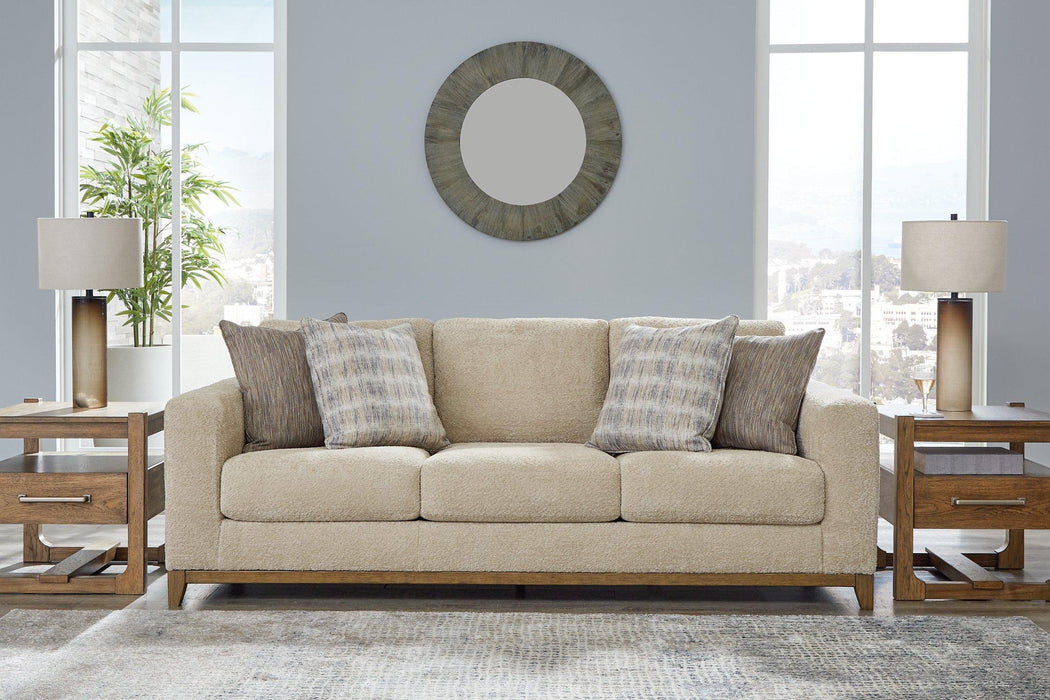
Your living room is where comfort and style come together for everyday living. At Dow Furniture, our living room furniture collection includes sofas, sectionals, chairs, and accent pieces designed to suit your space and lifestyle. Each piece is crafted for durability, comfort, and practical use, making it easy to create a living room that is both inviting and functional.
Explore our living room furniture selection today and find the perfect pieces to refresh your home. Whether you’re updating a single item or furnishing the entire room, Dow Furniture offers options that combine style, comfort, and lasting quality.