
How to Find a Mattress That Supports Comfortable Sleep
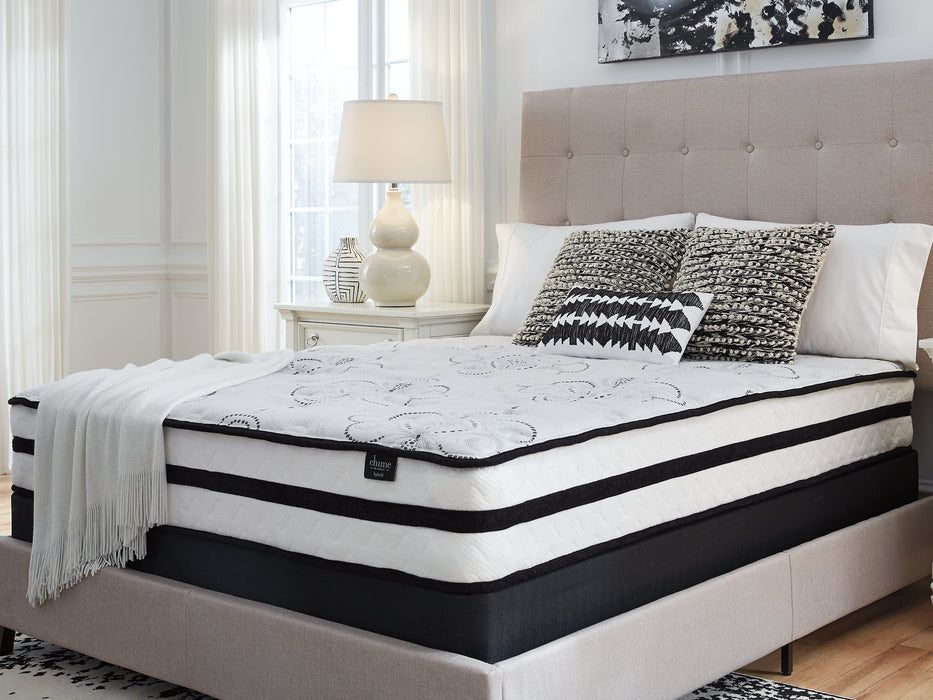
Finding a mattress that truly supports comfortable sleep isn’t about chasing the latest trend or trusting flashy marketing claims. It comes down to understanding your body’s specific needs, particularly your sleep position, body weight, and firmness preferences, and matching those needs to the right materials and design. This comprehensive mattress buying guide will walk you through every decision, from identifying your preferred sleep position to testing mattresses in-store or during an at-home trial.
The process doesn’t have to feel overwhelming. Think of it as a series of straightforward decisions: first, identify your primary sleep position; second, determine the firmness level that supports your weight; third, choose a mattress type (foam, innerspring, latex, or hybrid); fourth, set a realistic budget; and fifth, insist on a meaningful sleep trial or return policy before committing. These five steps form the backbone of smart mattress shopping, and we’ll explore each one in detail.
When we talk about a comfortable mattress, we’re really talking about three things: neutral spinal alignment (where your spine follows its natural S-curve without gaps or excessive bending), pressure relief at vulnerable areas like your shoulders and hips, and waking up without back pain, stiffness, or numbness. Research from sleep science institutions shows that mattresses enabling proper pressure redistribution across key body zones can reduce morning pain by up to 55% compared to poorly matched beds. That’s a dramatic difference, and it underscores why taking time to choose the right mattress matters.
If you’re replacing an old mattress and feeling uncertain about where to start, here’s reassuring news: most people do best on medium-firm mattresses unless their body weight falls significantly above or below the average range. A medium-firm mattress provides enough support to keep your spine aligned while offering sufficient cushioning to relieve pressure points. It’s a sensible starting point that works across multiple sleep styles.
The rest of this article goes deeper into sleep position, firmness levels, mattress types, and how to evaluate a new mattress during testing. By the end, you’ll have a clear framework for choosing a quality mattress that delivers years of comfortable, restorative sleep.
Why Your Sleep Position Is the Starting Point
Your sleeping position determines how your body weight gets distributed across your mattress surface, affecting which parts of your body need the most support and how your spine aligns throughout the night. This is why sleep position should be the first filter when you begin mattress shopping; it shapes every other decision you’ll make.
Think of it this way: when you lie on your side, roughly 50-70% of your body weight concentrates at your shoulders and hips. When you sleep on your back, your weight spreads more evenly across the torso. And when you sleep on your stomach, your pelvis bears a disproportionate load, often sinking into the sleeping surface and pulling your spine out of alignment. Each position creates different pressure patterns and support requirements.
Studies from sleep medicine organizations estimate that approximately 60-70% of adults are primarily side sleepers, 15-20% are back sleepers, 7-10% are stomach sleepers, and 20-30% are combination sleepers who shift between two or more positions throughout the night. Many people don’t realize they move between positions, often two to five times per hour, which is why understanding your dominant position (typically the one you wake up in most often) matters most.
No universal “best bed” exists precisely because these positional differences are so significant. A side sleeper needs more pressure relief at the hips and shoulders to prevent numbness and pain, while stomach sleepers need firmer support to avoid spinal sagging that leads to chronic lower back issues. Average-weight sleepers in each group typically fall somewhere in the medium to medium-firm range, but individual adjustments based on weight and personal preference make all the difference.
Best Mattress Feel for Side Sleepers
Side sleepers face a unique challenge: they concentrate significant pressure on two relatively narrow contact points, the shoulders and hips. If the mattress surface is too hard, these areas can’t sink in properly, creating painful pressure points that cause tossing, turning, and morning stiffness. If it’s too soft, the midsection sags and the spine curves unnaturally, leading to its own set of problems.
Side sleepers typically require a mattress that is soft to medium-firm to allow their hips and shoulders to sink in enough to relieve pressure while keeping the spine aligned. The goal is for a mattress that feels like it cradles these prominent areas while providing enough resistance at the waist to maintain a straight spinal line from head to pelvis. Interface pressure mapping studies suggest that optimal pressure relief keeps contact pressure below 30 mmHg at the shoulders and hips; any higher, and you risk restricted blood flow and numbness.
For most side sleepers, this translates to firmness levels around 5-6.5 on the standard 1-10 scale, where 1 is ultra-plush, and 10 is extra-firm. Most side sleepers benefit from a mattress firmness level that falls between soft and medium-firm, typically rated between 3 and 6 on a 10-point scale, to ensure adequate pressure relief and support. Lighter individuals under 130 pounds may prefer the softer end of this range since they exert less compression force, while heavier side sleepers often need to move toward medium firm to avoid excessive sinking.
Memory foam and hybrid mattresses are often recommended for side sleepers due to their ability to contour to the body and relieve pressure on sensitive areas like the hips and shoulders. Memory foam excels here because of its slow-recovery conforming properties, which allow it to mold precisely to body curvatures and distribute weight evenly. Studies comparing mattress types found that memory foam reduces shoulder pressure by approximately 25% compared to traditional innerspring designs.
A mattress that is too firm can create pressure points for side sleepers, while one that is too soft may cause excessive sinking, leading to spinal misalignment. Finding that middle ground, where your spine stays straight while pressure melts away from sensitive joints, is the key to side sleeping comfort.
If you’re among the many side and back sleepers who alternate between these two positions, lean toward a medium-firm mattress. This firmness range offers enough cushioning for side sleeping comfort while providing sufficient support when you roll onto your back. It’s a practical compromise that keeps both positions reasonably comfortable without dramatic tradeoffs.
Best Mattress Feel for Back Sleepers
Back sleepers need a mattress that fills the natural gap at the lower back while evenly supporting the weight distributed along the spine. When you lie on your back, your lumbar region (the inward curve at your lower back) hovers slightly above the mattress surface. A well-matched mattress gently fills this gap and supports the natural “S” curve without flattening it or allowing the hips to sink too deeply.
Back sleepers generally benefit from a medium-firm mattress that supports the natural curve of the spine without allowing the hips to sink too much, which can lead to discomfort. When the hips sink excessively, more than about two inches, the pelvis tilts forward and creates what sleep researchers call the “hammock effect,” where the spine arches unnaturally and strains the muscles running along your back. This often manifests as dull lower back pain that worsens over weeks of sleeping on an unsuitable surface.
For back sleepers, a medium-firm mattress, typically rated between 5 and 7 on the firmness scale, is recommended to maintain spinal alignment and provide adequate support without excessive sinkage. Research published in chiropractic medicine journals found that a firmness around 7 on the 10-point scale reduced lower back pain incidence by 32% over six months compared to softer alternatives.
The opposite problem, a mattress firm to the point of rigidity, creates gaps under the lumbar region where the body can’t make contact. This forces the paraspinal muscles to work throughout the night instead of relaxing, leading to tension and stiffness come morning. The sweet spot is a surface with enough give to eliminate gaps while enough resistance to prevent the pelvis from sinking into a pain-inducing position.
Hybrid mattresses, latex, or firmer memory foam models often work well for back sleepers because they provide responsive pushback that maintains alignment under the 35-40 pounds per square foot load that the torso places on the mattress. If you sleep hot, prioritize options with enhanced airflow; hybrids with coil cores tend to run 2-4°F cooler than solid foam designs, which can make a meaningful difference in comfort through the night.
Best Mattress Feel for Stomach Sleepers
Stomach sleeping is the most mechanically challenging position for spinal health. When you lie face down, your midsection, the heaviest part of your torso, tends to sink into the mattress surface, elevating lumbar lordosis (the inward curve of the lower back) by 25-35 degrees in some cases. This unnatural curvature correlates with significantly higher rates of chronic back pain among stomach sleepers compared to side and back sleepers.
Stomach sleepers need a firmer mattress to prevent their midsection from sinking too deeply, which can throw their spine out of alignment and cause pain. The goal is to keep the pelvis roughly level with the shoulders and head, maintaining a reasonably neutral position from neck to lower back. This typically requires a firm to extra-firm mattress that resists the 60-80 pounds of concentrated midsection pressure without yielding excessively.
Stomach sleepers require a firmer mattress, usually rated between 7 and 9 on the firmness scale, to prevent their hips from sinking too deeply and to maintain proper spinal alignment. On this type of surface, the sink should be limited to less than one inch at the pelvis, which keeps the spine closer to its natural alignment and reduces strain on the lumbar vertebrae.
A plush mattress or soft memory foam bed is typically a poor choice for stomach sleeping, especially for adults of above-average weight. The deep contouring that makes memory foam comfortable for side sleepers works against stomach sleepers by allowing exactly the kind of midsection sinking that creates problems. Additionally, stomach sleepers often turn their heads 45 degrees or more to breathe, and a surface that conforms too closely can make repositioning difficult.
Supportive innerspring mattresses or firm hybrid designs with individually wrapped coils often suit stomach sleepers well. These constructions offer minimal sink at the hips while maintaining uniform support from edge to center. The coil cores, typically 12-15 gauge tempered steel in quality models, resist permanent compression better than foam alone, providing consistent support even after years of use.
Best Mattress Feel for Combination Sleepers
A combination sleeper is someone who regularly shifts between two or more positions throughout the night, perhaps starting on their back, rolling to their side around 2 AM, and waking up on their stomach. If this sounds like your sleep style, you face the challenge of finding a mattress that works reasonably well across multiple positions rather than being perfectly optimized for just one.
Combination sleepers, who switch positions throughout the night, typically do best with a medium-firm mattress that provides a balance of support and pressure relief across different sleeping styles. A medium firm mattress hits the sweet spot: soft enough to provide pressure relief when you’re on your side, yet firm enough to prevent excessive sinking when you roll onto your back or stomach. This versatility makes it the default recommendation for anyone who doesn’t sleep predominantly in a single position.
Beyond firmness, combination sleepers should prioritize “ease of movement”, how easily you can turn and reposition without feeling stuck in the mattress. High-viscosity memory foam, while excellent for pressure relief, can make repositioning feel sluggish because the slow-recovery material takes time to release your body. Motion-capture sleep studies found that latex and responsive foam surfaces allow approximately 15% less energy expenditure during turns compared to dense memory foam, translating to easier, less disruptive repositioning.
Latex mattresses and hybrid mattresses excel here because they combine contouring with bounce. The inherent resilience of latex (and the coils in hybrids) helps “push you back” as you shift positions, making movement feel natural rather than laborious. If you know you move frequently at night, prioritize a surface that responds quickly rather than one that slowly molds to your shape.
When choosing firmness, think about your dominant position, the one you spend the most time in or wake up in most often. If you’re primarily a side sleeper who occasionally rolls onto your back, weigh your decision toward side-sleeping comfort (medium to medium-firm). If you’re primarily a back sleeper who sometimes ends up on your stomach, lean firmer. A 60/40 weighting toward your preferred position is a reasonable rule of thumb.
Matching Firmness Levels to Your Body Weight
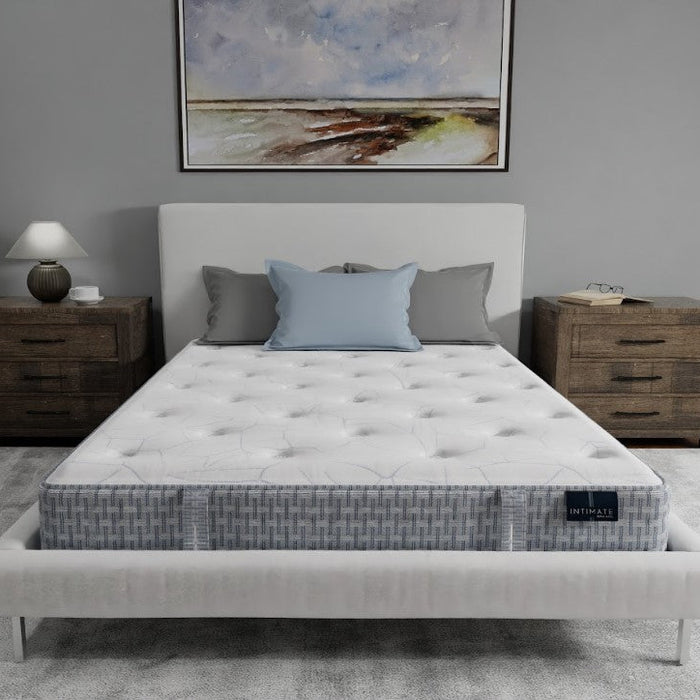
Mattress firmness is typically rated on a scale from 1 to 10, where 1 is extremely soft and 10 is extremely firm, but this rating can be subjective based on individual preferences and body types. A mattress labeled “medium firm” by the manufacturer might feel plush to a 250-pound person and rock-hard to someone weighing 110 pounds. Understanding this relationship between body weight and perceived firmness is essential for choosing correctly.
The physics are straightforward: heavier bodies exert more pressure per square inch on the mattress surface, compressing materials more deeply and making any given firmness feel softer. Lighter bodies exert less pressure, sink less, and experience the same mattress as firmer. This means the number on the firmness scale is really a starting point that you need to adjust based on your weight category.
Here’s a general framework for average-weight sleepers and those above or below that range:
|
Weight Category |
Typical Firmness Preference |
Notes |
|---|---|---|
|
Under 130 lbs |
4-6 on the firmness scale |
Lighter sleepers sink less, often need softer surfaces for adequate pressure relief |
|
130-230 lbs |
5-7 on the firmness scale |
Matches manufacturer-intended firmness most closely |
|
Over 230 lbs |
7-9 on the firmness scale |
Heavier sleepers compress materials more and need firmer support to avoid bottoming out |
Heavier individuals often need a firmer mattress to provide adequate support, as they compress the materials more than lighter sleepers, which can lead to a softer feel that may not provide enough support. For someone over 230 pounds, a “medium” mattress rated 5/10 might feel more like a 3/10, allowing excessive sinking that throws the spine out of alignment. Moving up to a slightly firmer mattress, perhaps a 7 or 8, restores the intended support and feel.
This weight adjustment interacts with sleep position recommendations. A heavier side sleeper, for instance, might do best on a medium-firm mattress (around 6-7) rather than the softer options typically recommended for side sleeping. The extra firmness prevents the hips from sinking three or more inches, which would curve the spine approximately 15 degrees off-neutral according to finite element modeling studies. Conversely, a very light back sleeper might find medium-firm too unyielding and benefit from moving toward medium or even medium-soft.
Couples with significantly different body weights face a particular challenge. If partners differ by 100 pounds or more, a single firmness level rarely satisfies both. Options include compromising on medium-firm (which often works acceptably for both), adding a mattress topper to one side to adjust firmness locally, or investing in dual-zone technology where each side of the bed can be customized independently. Industry trials suggest dual-firmness designs resolve about 80% of mismatched-couple complaints.
Understanding Mattress Types and What They Feel Like
Modern mattresses fall into four main categories: innerspring mattresses, all-foam mattresses (including memory foam mattresses), latex mattresses, and hybrid mattresses. Each construction handles pressure relief, bounce, motion isolation, and temperature regulation differently, which means each has strengths and weaknesses depending on your sleep style and priorities.
A quality mattress is less about a specific manufacturer and more about material density, coil construction, and overall design suited to the sleeper. High-density foams last longer and resist sagging. Tempered steel coils maintain their shape better over the years of use. Thoughtful zoning (varying firmness in different areas) provides better support where you need it most. These construction details matter far more than marketing labels.
Understanding what each type feels like and how it performs across the criteria that matter helps you narrow your search before you ever lie down on a mattress. The goal isn’t to find an objectively “best” type, but to match a type with the firmness and support characteristics your body needs.
Innerspring Mattresses
Innerspring mattresses consist of a steel-coil foundation topped with layers of padding, such as fiber, foam, or both, offering a bouncy feel and good airflow. This traditional construction has been the dominant mattress design for decades, and it remains popular among sleepers who prefer a firmer, more responsive surface with easy movement.
The coil core provides strong support and noticeable bounce. When you press down, the mattress pushes back quickly rather than slowly conforming to your shape. This responsiveness makes innersprings particularly suitable for back or stomach sleepers who want to feel “on top of” the mattress rather than sinking into it, and for combination sleepers who need to reposition easily throughout the night.
Airflow is a significant advantage. Steel coils create space for air to circulate through the mattress core, which helps dissipate body heat and keeps the sleeping surface cooler. Innersprings typically have lower R-values (a measure of heat retention) than solid foam designs, running approximately 2-4°F cooler, a meaningful difference for those who sleep hot.
However, innersprings generally provide less pressure relief than foam or hybrid alternatives. The thinner comfort layers on top of the coils may not cushion the hips and shoulders adequately for side sleepers, leading to pressure point discomfort. Generally, foam models have better stability than innerspring mattresses, meaning motion transfers more easily across the surface. If your partner moves frequently at night, you may feel those movements.
If you’re considering an innerspring, look for models with individually wrapped coils (sometimes called pocket coils) rather than continuous or Bonnell coil systems. Individually wrapped coils move independently, which improves motion isolation and allows the mattress to conform more precisely to your body contours. Quality innersprings often feature 5-7 zones with reinforced coils in the lumbar region and strong edge support to prevent roll-off when sitting or sleeping near the sides.
Memory Foam Mattresses
Foam mattresses are built entirely of foam, typically memory foam or polyfoam, providing a cradling feel and excellent pressure relief. Memory foam is the signature material here, a viscoelastic foam originally developed for aerospace applications that responds to body heat and pressure by slowly conforming to your shape, then gradually returning to its original form when you move away.
This conforming behavior makes memory foam exceptional for pressure relief. The material molds precisely around the shoulders, hips, and other prominent areas, distributing weight evenly and reducing contact pressure below the thresholds that cause discomfort and restricted circulation. Many side sleepers find that a memory foam bed virtually eliminates the shoulder and hip pain they experienced on firmer surfaces.
Motion isolation is one of the defining strengths of foam mattresses, as they absorb movement and prevent ripples of motion transfer from spreading elsewhere on the mattress. When your partner turns over or gets out of bed, the foam absorbs the movement locally rather than transmitting it across the surface. In laboratory testing, well-designed foam mattresses achieve motion isolation rates above 95%, meaning almost no perceptible disturbance reaches the other side of the bed. Quality foam mattresses with multiple specialized foam layers excel at motion isolation, with testers reporting barely any sensation when fellow sleepers moved across the surface. This makes foam a strong choice for couples where one partner sleeps more lightly than the other.
The tradeoffs involve heat retention and responsiveness. Dense memory foam traps body heat more readily than coil-based or latex designs, which can cause discomfort for those who naturally sleep hot. Modern foams increasingly incorporate cooling technologies, gel infusions, open-cell structures, and phase-change materials that reduce heat retention by approximately 20% compared to traditional memory foam, but even improved versions tend to sleep warmer than innersprings or hybrids.
Very soft memory foam may not suit stomach sleepers or heavier back sleepers because the slow-conforming material can allow excessive sinking at the hips before fully supporting the body. If you’re considering a foam mattress, pay attention to density: foam layers with densities of 4+ pounds per cubic foot provide better durability and resist the “bottoming out” that can occur with lighter-density foams under heavier bodies.
Latex Mattresses
Latex mattresses are made from natural rubber and provide a responsive, bouncy feel while being durable and breathable, making them suitable for hot sleepers. Unlike memory foam’s slow-recovery hug, latex pushes back immediately when compressed, creating a buoyant sensation that many sleepers describe as “floating on” rather than “sinking into” the surface.
This responsiveness makes latex an excellent choice for combination sleepers who need to reposition easily throughout the night. The inherent bounce helps you move across the surface without feeling stuck, and the material’s quick response means you get immediate support in each new position rather than waiting for the mattress to conform. Kinematic studies suggest latex reduces the energy required for repositioning by roughly 15% compared to high-viscosity memory foam.
Temperature regulation is another strong point. Latex has a naturally open-cell structure, and manufacturers typically add pinhole perforations that enhance airflow through the material. This design keeps latex mattresses running 10-15% cooler than many solid foam alternatives, a meaningful advantage for those who tend to wake up sweating or throw off covers during the night.
Latex generally feels about 1-1.5 points firmer than memory foam at equivalent ratings, which benefits back sleepers and average weight sleepers seeking long-term support without excessive softness. The material maintains its integrity exceptionally well over time; quality latex mattresses often last 15-20 years before developing significant impressions or sagging, compared to 6-10 years for most foam designs.
The primary drawback is cost. Natural latex requires rubber tree sap and labor-intensive processing (Dunlop or Talalay methods), making latex beds among the most expensive options. However, when amortized over the extended lifespan, the per-year cost often compares favorably to cheaper alternatives that need replacing sooner. Look for organic certifications (such as GOLS) if avoiding synthetic materials and minimizing off-gassing are priorities.
Hybrid Mattresses
Hybrid mattresses combine the support of innerspring coils with the comfort of foam or latex layers, making them versatile for various sleep styles and preferences. This construction attempts to capture the best of both worlds: the responsive support, airflow, and edge stability of a coil core paired with the pressure relief and motion isolation of foam or latex comfort layers.
The typical hybrid features 6-8 inches of individually wrapped coils (often 600-1,000 coils in a queen size) topped with 2-4 inches of foam, latex, or a combination. The coils provide the underlying support structure and allow air to circulate, while the comfort layers cushion pressure points and dampen motion transfer. Well-designed hybrids achieve motion isolation rates of 80-90%, not quite as high as all-foam models, but substantially better than traditional innersprings.
This versatility makes foam or hybrid mattresses appropriate for nearly any sleeper. Hybrids can be tuned to firmness levels ranging from plush to extra firm mattress configurations, with zoned coil systems that provide extra stiffness under the lumbar region (approximately 25% more resistance) while allowing more give at the shoulders. This zoning particularly benefits side sleepers with back pain, who need both pressure relief and proper spinal support.
Strong edge support is a defining characteristic of quality hybrids. The coil core extends to the mattress perimeter, preventing the excessive compression (typically less than 1 inch of deflection) that occurs on all-foam beds when you sit on the edge or sleep near the sides. If you share a bed and use the full surface area, or if you sit on the edge to put on shoes, this stability matters.
Hybrids represent a practical default choice for many shoppers, especially average-weight sleepers who aren’t certain which mattress type would suit them best. They work reasonably well across sleep positions, handle motion from partners adequately, and sleep cooler than all-foam alternatives. Market data shows hybrids commanding approximately 60% of premium mattress sales, reflecting their broad appeal.
How to Test a Mattress for Real Comfort and Pain Relief
A few minutes of sitting on the edge of a mattress or lying down briefly in a showroom tells you almost nothing useful about whether that bed will support comfortable sleep. Real comfort assessment requires time, attention to specific body signals, and ideally, several nights of actual sleeping. This is especially true for shoppers dealing with back pain, chronic shoulder issues, or hip discomfort, conditions where the wrong mattress can cause real suffering.
Stability refers to a mattress’s ability to isolate motion, allowing a sleep partner (or pet or child) on one side of the mattress to shift without jostling a sleeper on the other side. While you may not be able to fully assess motion isolation in a store, you can get a sense by pressing in one area and watching whether the movement travels across the surface. Foam and hybrid models generally isolate motion better than traditional innersprings.
In-Store Testing Protocol
If you’re testing mattresses in person, plan to spend at least 10-15 minutes lying on each serious candidate. Don’t feel embarrassed about this; you’re making a significant purchase that will affect your health for years. Salespeople are accustomed to customers taking time, and any pressure to rush is a red flag about the store rather than the product.
Lie in your primary sleep position and assess the following:
|
What to Check |
What to Feel For |
Red Flags |
|---|---|---|
|
Spinal alignment |
Spine feels straight, no twisting or bending |
Lower back arching, hips rotated more than 10 degrees |
|
Pressure points |
No sharp pressure at the shoulders, hips, or knees |
Immediate discomfort, numbness beginning within minutes |
|
Lumbar support |
Lower back feels supported, no gaps |
Can slide hand easily under lower back (back sleepers) |
|
Midsection sinking |
Hips stay relatively level with the shoulders |
Pelvis sinking deeply (stomach sleepers) |
|
Ease of repositioning |
Can roll over without struggling |
Feeling “stuck” or needing significant effort to turn |
For side sleepers, your shoulders and hips should sink slightly into the surface while your waist remains supported. If a partner or mirror can confirm that your spine appears straight from a side view, that’s a strong positive sign. For back sleepers, check that your lower back feels supported rather than hovering over a gap, and that your hips aren’t sinking so deeply that your pelvis tilts. For stomach sleepers, confirm your midsection stays relatively level; any significant dipping suggests the mattress is too soft for your needs.
Red flags include immediate pressure points (sharp discomfort at the shoulders or hips within the first few minutes), feeling that your lower back is unsupported or arched, or having to constantly adjust your posture to find comfort. Trust these signals. If a mattress feels wrong in the store, it won’t magically improve after you buy it.
At-Home Testing During Sleep Trials
Many mattress companies now offer extended sleep trials, typically 90-365 nights, recognizing that true comfort assessment requires actually sleeping on the mattress in your own bedroom. This is a significant advantage over store testing, and you should use it fully.
When testing during a home trial, expect a break-in period of approximately 30 nights. New mattresses may feel different initially as materials settle and as your body adjusts to whatever surface you slept on before. Don’t make a final judgment in the first week or two unless the mattress is clearly and dramatically wrong.
During the trial, track symptoms over 4-6 weeks using a simple daily log:
-
Pain level upon waking (scale 0-10)
-
Any numbness, tingling, or stiffness
-
How long does it take the stiffness to fade
-
Whether pain is new or different from before
-
Overall sleep quality rating
You’re looking for improvement or at least no worsening. New back pain, increased stiffness, or tingling that wasn’t present before suggests the mattress isn’t right for you. Pain ratings should ideally drop by 2 or more points compared to your old mattress over the trial period.
Industry data shows that approximately 9-12% of mattresses purchased online are returned, and the sleep trial process successfully resolves most fit issues. If, after 30-45 nights, you’re still experiencing problems, contact the company about an exchange or return rather than suffering through the remainder of the trial. Many retailers will allow you to swap for a different firmness level before processing a full return.
When Your Old Mattress Is the Problem
Sometimes the search for better sleep doesn’t require finding a new type of mattress; it simply requires recognizing that your current mattress has worn out and needs replacement. Even a once-comfortable mattress degrades over years of nightly use as materials compress, foam breaks down, and coils lose their spring.
An old mattress can be the hidden cause of sleep problems that seem to appear from nowhere. Gradual material degradation often happens too slowly to notice day-to-day, but the cumulative effect leads to sagging, uneven support, and loss of the pressure relief that made the mattress comfortable when new. Studies tracking mattress degradation found correlations between mattress age and back pain incidence, with significant increases in reported discomfort once mattresses pass the 7-10 year mark.
Signs Your Mattress Needs Replacement
Watch for these indicators that your current mattress has reached the end of its life:
|
Sign |
What It Means |
|---|---|
|
Visible sagging |
The support core has permanently compressed beyond recovery |
|
Deep body impressions |
Foam or padding has broken down in your primary sleep zones |
|
Squeaking or creaking |
Coils rubbing against each other or the frame from wear |
|
Waking with new pain |
Mattress no longer provides adequate support/pressure relief |
|
Partner roll-together |
Center sag is causing both sleepers to migrate toward the middle |
|
Uncomfortable night’s sleep despite no other changes |
Materials have degraded below the comfort threshold |
The ASTM (American Society for Testing and Materials) considers impressions deeper than 1 inch a significant sign of wear. If you can see or feel depressions where you normally sleep, the mattress has lost meaningful support capacity. Squeaking indicates metal fatigue or insufficient padding between components, sounds that typically worsen over time.
Expected Mattress Lifespans
Average mattress longevity varies by construction and usage:
-
All-foam mattresses: 6-8 years, with some high-density models lasting longer
-
Quality hybrids: 8-10 years when properly supported
-
Latex mattresses: 12-15+ years due to material durability
-
Budget innersprings: 5-7 years
Heavier sleepers should expect to replace mattresses sooner than these averages, sometimes halving the lifespan due to accelerated wear from greater compression forces. If you’re over 230 pounds and sleeping on a foam mattress, plan for replacement closer to 5-6 years rather than 8-10.
What a Topper Can and Can’t Fix
When mattresses begin showing wear, many sleepers try to extend their life with a mattress topper. This can work for minor firmness adjustments. Adding a 2-3 inch topper with 3-5 pound density foam can add approximately 1 firmness point and refresh the sleeping surface feel.
However, toppers cannot fix fundamental support problems. If the underlying coil system has lost resilience or the base foam has developed significant impressions, adding layers on top masks the symptoms without addressing the cause. The mattress's support structure has failed, and a topper sits on that compromised foundation. Attempting to salvage a truly worn mattress with toppers often leads to 15% faster breakdown of the topper itself and continued comfort problems.
When your old mattress shows structural issues, deep sagging, spring failure, or major impressions, replacement is the only real solution. Many retailers offer old mattress removal when delivering your new bed, and recycling programs can recover up to 80% of mattress materials, reducing landfill impact by 70% compared to standard disposal.
Essential Accessories for Comfortable, Long-Lasting Sleep
A comfortable mattress is the foundation of good sleep, but it’s only part of the complete sleep system. The right accessories protect your investment, fine-tune your comfort, and address issues like temperature regulation and neck alignment that the mattress alone doesn’t solve.
Mattress Protection
A quality mattress protector serves multiple essential functions. First, it creates a barrier against sweat, spills, and body oils that would otherwise penetrate the mattress surface and degrade materials over time. Polyurethane laminate protectors block 99% of fluids while remaining breathable enough to avoid adding significant heat retention.
Second, a mattress protector blocks allergens, dust mites, pet dander, and dead skin cells from accumulating inside the mattress, where they’re impossible to clean. For allergy sufferers, this can make a meaningful difference in nighttime symptoms. Third, protection preserves your warranty; many manufacturers void coverage if the mattress shows evidence of stains or contamination.
Look for protectors that feel unobtrusive; the best ones add minimal thickness (2-5 mil) and don’t change how your mattress feels. Some premium options include temperature-regulating properties, adding 0.5-1 R-value of insulation, or incorporating cooling fabrics. An organic cotton cover option exists for those prioritizing natural materials.
Pillow Selection by Sleep Position
Your pillow keeps your neck aligned with your spine, and the wrong pillow can create misalignment even on a perfectly matched mattress. Pillow loft (height) requirements differ dramatically by sleep position:
|
Sleep Position |
Ideal Pillow Loft |
Why |
|---|---|---|
|
Side sleeping |
4-6 inches |
Fill the gap between the shoulder and the head, keeping the neck level |
|
Back sleeping |
3-5 inches |
Support natural neck curve without pushing head too far forward |
|
Stomach sleeping |
2-4 inches (or none) |
Minimize neck rotation and extension |
Side sleepers need the most pillow height because the shoulder creates a significant gap between the mattress and the head. A pillow that’s too thin lets the head drop toward the shoulder, straining the neck. Back sleepers need moderate support that cradles the natural cervical curve without forcing the chin toward the chest. Stomach sleepers need very thin pillows or may sleep better without one, since any significant height forces the neck into uncomfortable extension or rotation.
Adjustable-fill pillows (shredded latex, down alternative, or buckwheat) allow you to add or remove material to dial in the exact loft your body needs. This is particularly valuable for combination sleepers or anyone uncertain about their ideal pillow height.
Foundation and Frame Requirements
The base under your mattress affects both comfort and longevity. Manufacturers specify support requirements in their warranties, and failure to meet those specifications can void coverage and accelerate mattress wear.
Most modern mattresses need a foundation with slat spacing no greater than 3 inches and a frame at least 5 inches tall for airflow. Wider slat gaps allow the mattress to sag between supports, creating an uneven sleeping surface and stressing materials in ways they weren’t designed to handle. Warranty data suggests that inadequate foundation support accounts for up to 25% of premature sagging claims.
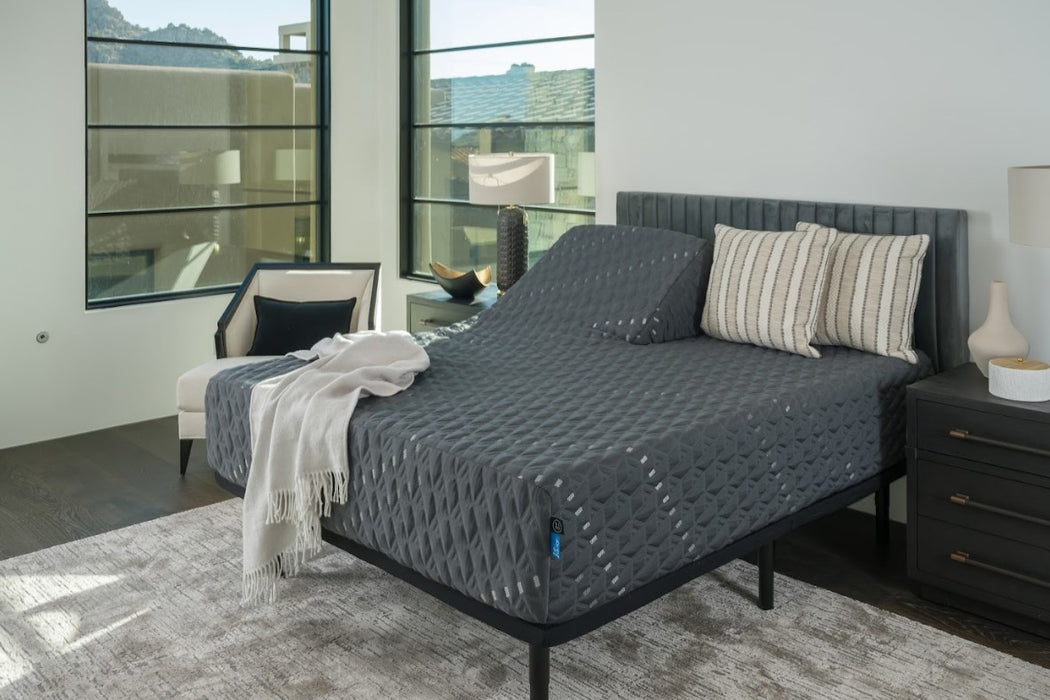
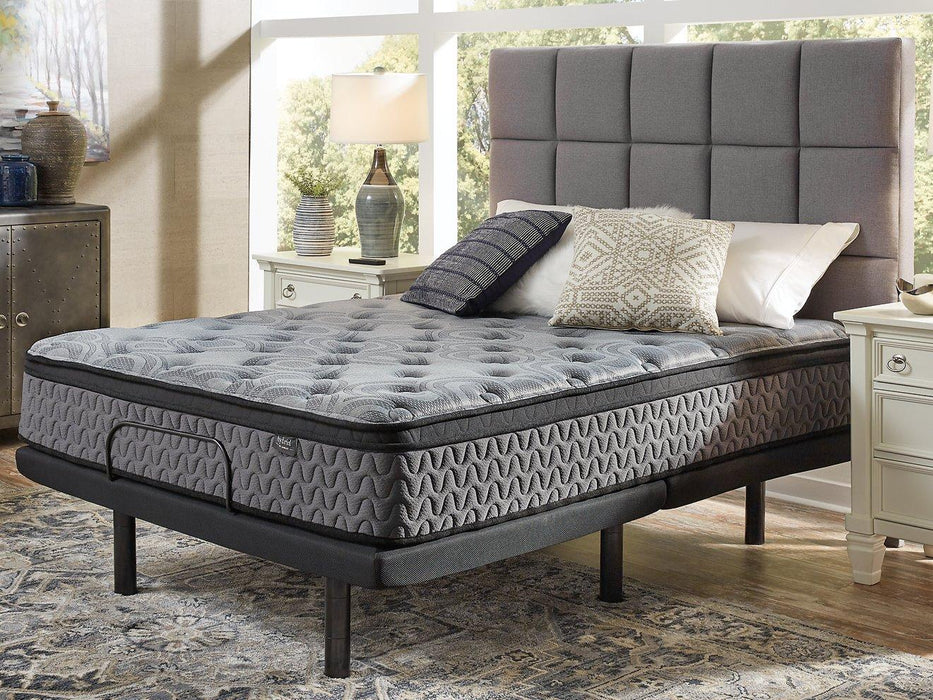
If you’re purchasing a new mattress, confirm the support requirements and inspect your current frame to ensure compatibility. Adjustable bases, which allow you to raise the head or foot of the bed, can add 15-20% improved alignment for certain sleepers (particularly those with acid reflux or lower back issues) but require mattresses specifically designed for flexibility.
Optional Accessories for Fine-Tuning
Beyond essentials, consider these additions based on your specific needs:
-
A mattress topper to adjust firmness up or down by 1-2 points without replacing the entire mattress
-
Breathable sheets (bamboo, Tencel, or cotton in 300-500 thread count) that wick moisture 50% more effectively than synthetic alternatives
-
A cooling mattress pad if heat retention is an issue despite choosing appropriate mattress materials
-
Adjustable air mattresses feature air chambers that can be inflated or deflated to customize firmness, allowing for personalized comfort for different sleepers, though these are typically used as primary mattresses rather than accessories
Budget, Value, and When to Buy
You don’t have to overspend to find a comfortable mattress, but the cheapest options often compromise on support, materials, or durability in ways that cost more over time through earlier replacement needs and reduced sleep quality. Understanding realistic price ranges helps you balance budget constraints against long-term value.
2026 Price Ranges for Queen-Size Mattresses
|
Category |
Price Range |
What to Expect |
|---|---|---|
|
Budget |
$500-900 |
Basic innerspring or foam construction, 5-7 year typical lifespan, limited trial/warranty |
|
Mid-range |
$900-1,800 |
Quality hybrids and foams, 8-12 year lifespan, 80%+ customer satisfaction rates, meaningful trials |
|
Premium |
$1,800+ |
Natural latex, advanced hybrids, 12-20 year lifespan, extensive zoning, and cooling technology |
Average-weight sleepers with typical needs often find excellent value in the mid-range category. These mattresses use materials with sufficient density and quality construction to maintain comfort for years without the premium pricing of luxury tiers. A medium-firm mattress in the $1,000-1,400 range from a reputable manufacturer typically provides the best balance of upfront cost and long-term value.
Shopping During Sale Periods
Mattress pricing fluctuates predictably around major holidays, with savings of 20-40% common during promotional periods. The best opportunities include:
-
Memorial Day (late May): Traditional major mattress sale
-
Labor Day (early September): End-of-summer promotions
-
Black Friday through Cyber Monday (late November): Deepest discounts, bundle deals often including free pillows or sheets worth $300+
-
Presidents’ Day (February): Winter clearance events
If your mattress shopping timeline is flexible, timing your purchase around these windows can yield significant savings or valuable accessories at no additional cost. However, don’t delay a needed replacement to wait for a sale if your current mattress is causing sleep problems or pain; the cost of continued poor sleep typically outweighs potential discounts.
Evaluating Total Value
Price alone doesn’t capture value. When comparing options, consider:
-
Trial length: 100+ nights gives adequate time for adjustment; shorter trials pressure premature decisions
-
Warranty coverage: 10+ years for foam, 15+ for hybrids, covering sagging beyond 1 inch
-
Return logistics: Free returns or minimal fees (cap of 15% restocking), avoid expensive mistakes
-
Included accessories: Pillows, protectors, or sheets bundled at purchase add real value
-
Delivery options: Free white glove delivery, where the company sets up your new mattress and removes your old one, eliminates significant hassle
A mattress with a strong trial period, comprehensive warranty, and reasonable return policy provides built-in risk reduction that justifies modest premium pricing over competitors offering only basic terms.
Putting It All Together: Your Personal Mattress Checklist
The best mattress is the one that supports your spine aligned in a neutral position during your primary sleep position, provides appropriate resistance based on your body weight, and continues delivering pressure relief and pain relief over years of nightly use. No amount of marketing, reviews, or recommendations can substitute for the fundamental match between bed and sleeper.
Use this step-by-step approach to narrow your options and make a confident decision:
Step 1: Identify your primary sleep position. Are you predominantly a side sleeper, back sleeper, stomach sleeper, or combination sleeper? Your dominant position, typically the one you wake up in most often, determines baseline firmness and support needs.
Step 2: Determine your weight category. Under 130 pounds, 130-230 pounds, or over 230 pounds? Adjust firmness recommendations accordingly: lighter sleepers shift softer, heavier sleepers shift firmer.
Step 3: Choose a target firmness range. Side sleepers generally benefit from a mattress firmness level between 3 and 6 on the firmness scale. Back sleepers typically need 5-7. Stomach sleepers usually require 7-9. Adjust based on weight and personal preference.
Step 4: Select a mattress type. Memory foam for maximum pressure relief and motion isolation. Innerspring for firm support and cooling. Latex for responsive bounce and durability. Hybrid for versatile middle-ground performance.
Step 5: Set a realistic budget. Quality medium mattresses in the $900-1,500 range serve most sleepers well. Avoid the cheapest tier if you value durability, but don’t assume premium pricing guarantees a better match.
Step 6: Insist on a meaningful sleep trial. 90+ nights allow a genuine assessment in your own bedroom. Shorter trials or no-return policies should raise caution.
If you experience back pain, chronic discomfort, or wake unrefreshed despite adequate sleep hours, prioritize support and pain relief over plush feel. An ultra-soft bed may feel luxurious in the showroom, but cause problems over weeks of actual use. Consult a healthcare professional if pain persists despite mattress changes; the issue may require intervention beyond what any bed can provide.
Replacing an unsuitable or worn-out old mattress with one tailored to your needs can significantly improve both nighttime comfort and daytime energy. Poor sleep affects everything from mood to cognitive performance to long-term health, and your mattress is the foundation of that sleep. Taking the time to choose correctly pays dividends every night.
Making the Final Decision
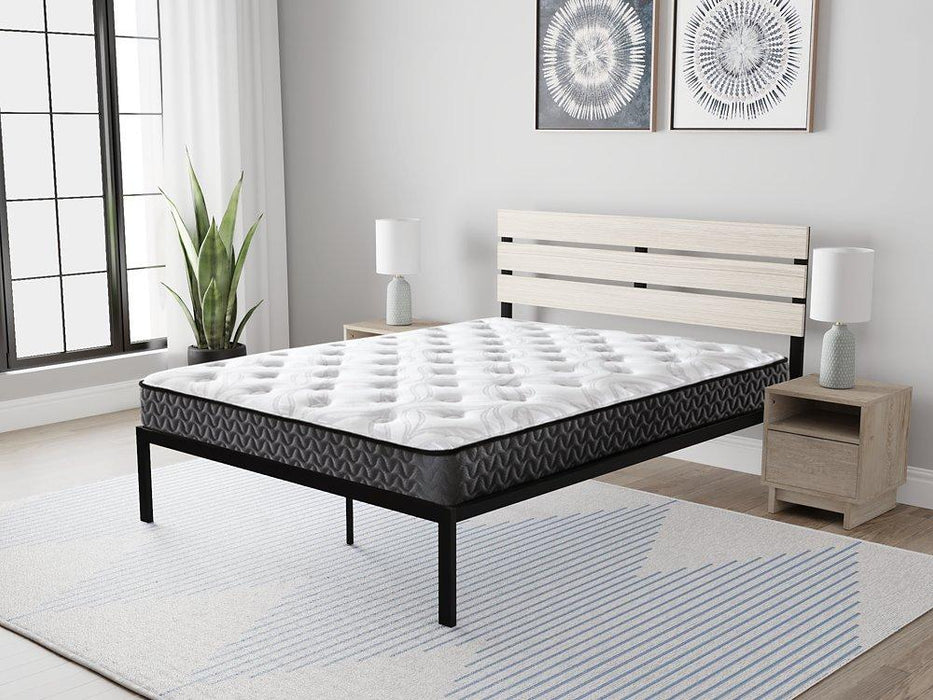
Armed with the guidance above, narrow your options to two or three mattresses that fit your position, weight, firmness, and budget criteria. Then rely on direct experience to make the final call. Visit showrooms if possible, spending real time, 15+ minutes, in your actual sleep position on each candidate. If shopping online, choose companies offering extended sleep trials that let you test the mattress where it matters: in your own bedroom, night after night.
Pay attention to your body’s feedback. Morning stiffness that fades within minutes is normal. Persistent pain, numbness, or discomfort that worsens over the trial period is a clear signal to exchange or return. The right mattress should feel better, not just different, than what you slept on before.
Your sleep environment profoundly affects your quality of life. A good mattress matched to your needs doesn’t just reduce pain and improve rest; it enhances your energy, focus, and resilience throughout waking hours. That’s not luxury; it’s essential maintenance for the body and mind you depend on every day. Invest the time to choose the right mattress, and let your body thank you every morning you wake refreshed.
Get Mattress Collection at Dow Furniture Today
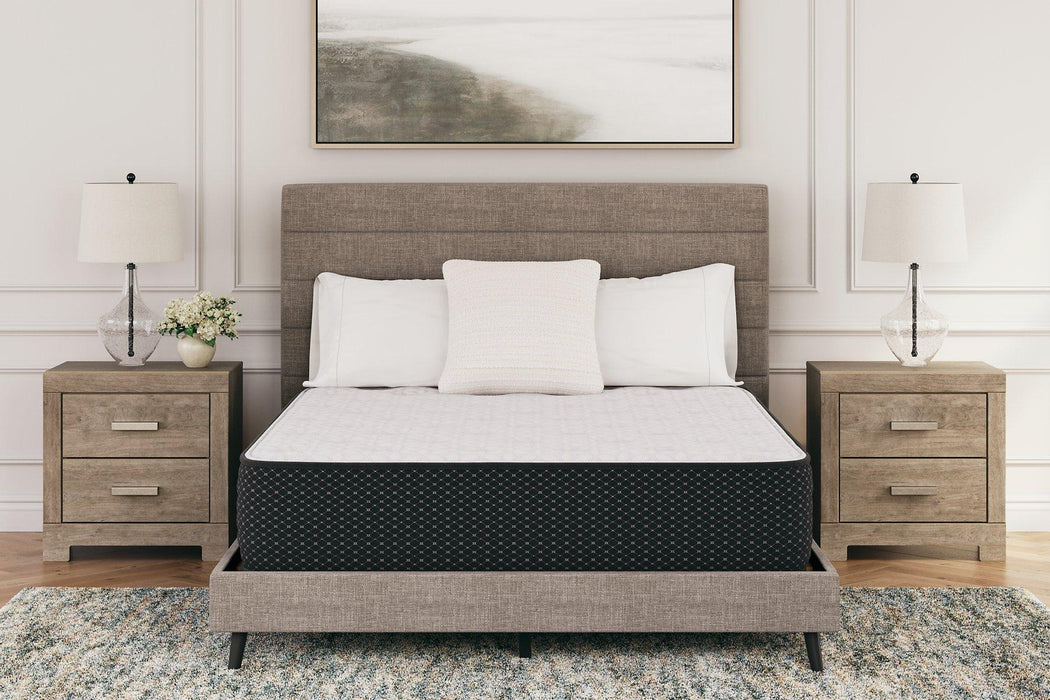
Upgrade your sleep experience with the mattress collection at Dow Furniture today and create a bedroom that is comfortable, supportive, and designed for better rest every night. Whether you prefer plush comfort, firm support, or something in between, the right mattress can improve sleep quality and help you wake up feeling refreshed. With a variety of mattress options available, it is easier to find the perfect fit for your comfort and sleeping style.
Now is the perfect time to refresh your bedroom setup. Get a mattress collection at Dow Furniture now and enjoy a more relaxing sleep environment designed for comfort, support, and everyday rest.