
How to Choose a Mattress That Supports Better Recovery
Key Takeways
-
The best mattress for recovery keeps your spine in a neutral position, cushions pressure points, and helps you stay cool enough for deep sleep and REM sleep.
-
Most active people with back pain or joint pain do well on a medium-firm mattress, supportive foam mattresses, or hybrid mattresses with strong edge support.
-
The right mattress depends on body weight and sleep position: side sleepers usually need more contouring, while back and stomach sleepers often need firmer support.
-
Athletic recovery and pain relief come from a system: mattress, pillow, sleep habits, training load, and nutrition.
-
You’ll leave with a step-by-step checklist for how to choose a mattress that supports better recovery in 2026.
Introduction: Why Your Mattress Matters for Recovery in 2026
Sleep is when your body repairs muscle fibers, balances hormones, lowers inflammation, and prepares you to train again. The wrong mattress can quietly interrupt that process by creating pressure buildup, trapping body heat, or pulling your lumbar spine out of alignment. Over time, poor sleep on a worn-out sleep surface can worsen morning stiffness, back pain, and joint stress.
A recovery-focused mattress supports spinal alignment, provides pressure relief, and keeps temperature regulation steady through the night. This guide covers mattress types, firmness, edge support, and practical buying steps for athletes and active people shopping online or in-store in 2026.
How Sleep Fuels Muscle, Joint, and Back Recovery
During deep sleep, the body releases growth hormone, which is essential for muscle recovery and repairing exercise-related damage to muscles and other tissues. REM sleep also supports nervous system recovery, while high-quality non-REM sleep helps reduce inflammation and restore energy.
If you run, cycle, play sports, or lift weights, training creates tiny micro-tears in muscle fibers. A good night’s sleep helps rebuild them. Sleep deprivation can lead to increased inflammation in the body, which negatively impacts muscle recovery and overall performance.
A mattress does not heal injuries. It removes mechanical stress: pressure, twisting, sagging, and uneven support. A mattress that provides proper support and pressure relief can help athletes achieve deeper sleep, which is crucial for effective muscle recovery. Consistently getting 7–9 hours of quality sleep matters more than one perfect night.
Signs Your Current Mattress Is Hurting Your Recovery
Morning stiffness, tossing and turning, sore muscles, or needing 30–60 minutes for lower back pain to fade can all point to a mattress losing support.
Look for these signs:
-
Visible sagging, lumps, or dips deeper than about 1–1.5 inches
-
Sore hips, shoulders, knees, or numb arms
-
More partner motion transfer than before
-
Edges that collapse when you sit or lie near them
-
Creaking coils or uneven foam layers
Foam and hybrid mattresses often last 7–10 years; cheaper innerspring mattresses may lose support sooner. To test your bed, lie in your usual position and ask someone to check whether your spine bows. You can also see whether a small ball rolls toward the center dip.
Core Features of a Good Mattress for Better Recovery
A good recovery mattress balances spinal alignment, intensive pressure relief, temperature regulation, and long-term support. Construction quality matters as much as the advertised feel. Foam density, coil strength, cover materials, and zoning can decide whether the mattress supports recovery for years or starts losing support early.
Spinal Alignment and Overall Support
Proper spinal alignment during sleep is crucial for reducing strain on joints and surrounding muscles, which can help minimize discomfort and promote better recovery. A mattress that maintains neutral spinal alignment helps ensure that the spine stays in a straight position, preventing muscle guarding and allowing for deeper recovery during sleep.
Neutral alignment means your ears, shoulders, and hips stay roughly in one line. A firm mattress that is too hard can force the shoulders and hips upward, while a soft bed can let the hips sink too far, especially for back and stomach sleepers.
High-density foam mattresses and hybrid mattresses with zoned coil systems are recommended for proper spinal alignment, as they contour to the body’s curves while providing necessary support. Zoned support is firmer under the hips and lower back, softer under the shoulders, and useful for better spinal alignment.
Pressure Relief for Sore Muscles and Joint Pain
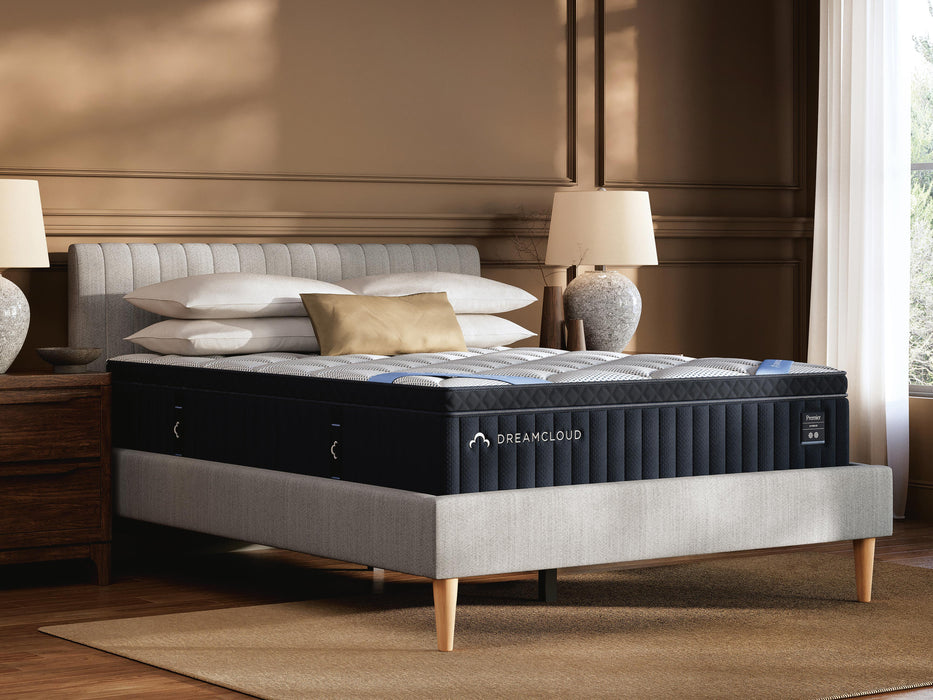
Pressure points usually build up at the shoulders, hips, knees, and heels. Effective pressure relief is essential for reducing joint pain, as it allows mattresses to adapt to the body’s shape and absorb weight evenly while resisting sagging over time.
Foam mattresses and hybrid mattresses with thick foam comfort layers can contour around curves, redistribute weight, and reduce pressure. A mattress that cushions pressure points helps ease muscle soreness and allows the body to relax into a deep sleep, which is crucial for recovery.
The goal is not maximum softness. You need enough contouring to relieve pressure, but enough support to keep the lumbar spine stable. Test pressure point relief by lying in your usual position for 10–15 minutes and watching for tingling, numbness, or hot spots.
Temperature Regulation and Sweat Control
Temperature regulation in mattresses is crucial for promoting deeper, more restful sleep, which is essential for muscle repair and reducing inflammation. If you sleep hot, cooling should matter as much as firmness.
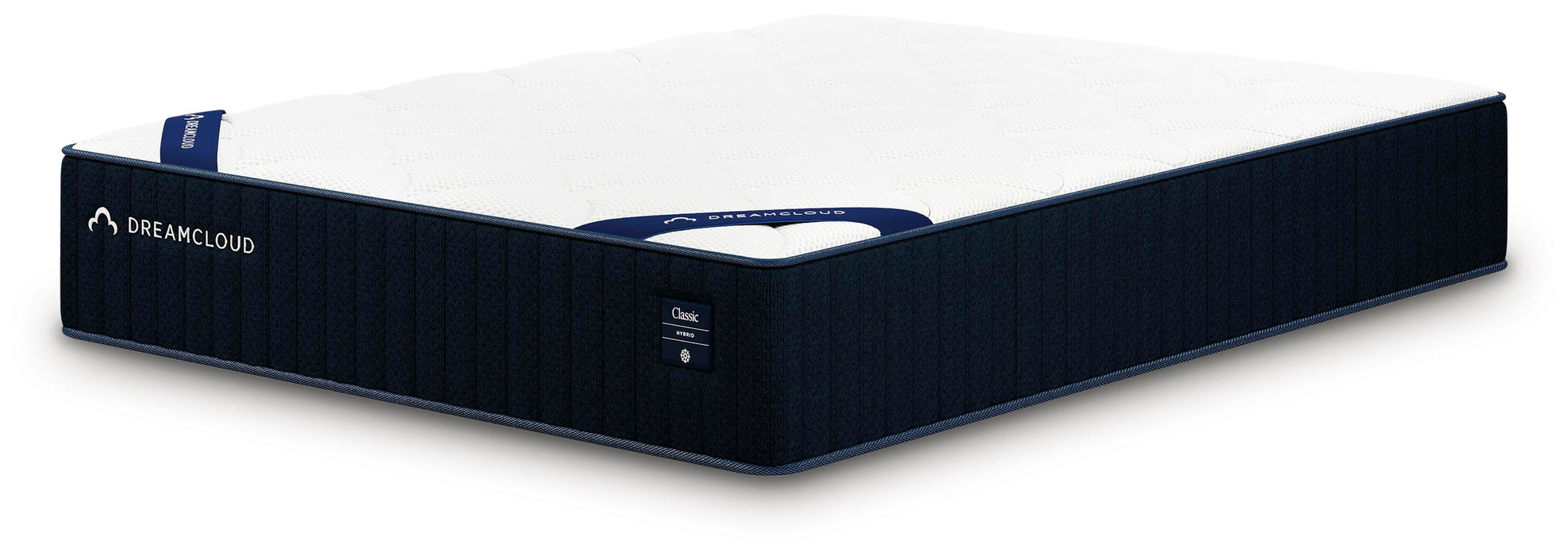
Dense memory foam can cause heat retention, while hybrid and innerspring mattresses allow more airflow through coils. Cooling features in mattresses, such as gel-infused foam or breathable covers, help regulate temperature and keep sleepers cooler throughout the night.
A mattress with good breathability and moisture-wicking properties prevents overheating, which is essential for maintaining a balanced temperature during sleep. Look for open-cell foam, copper-infused foam, breathable covers, natural latex, and moisture-wicking sheets. Keep your bedroom around 64–68°F (18–20°C), especially after hard summer training.
Durability, Edge Support, and Ease of Movement
Durability is a recovery feature. High-quality materials like high-density foam or strong coils can extend the life of a mattress, making it more durable under heavy use. Durability is a critical factor for athletes, as mattresses that sag or lose support can lead to misalignment and chronic soreness.
Edge support matters if you sit on the side of the bed, share a smaller mattress, or have a larger frame. Hybrid and innerspring models often use reinforced perimeter coils, while all foam mattresses and some foam models may compress more along the sides.
Responsive surfaces also help you move. Athletes with sore muscles often prefer beds that let them turn easily instead of feeling trapped.
Mattress Types and How They Affect Recovery
There is no single best mattress type. The main mattress types include foam, hybrid, innerspring, latex, and airbed designs. Use type as a starting filter, then compare firmness, cooling, and durability.
Foam Mattresses
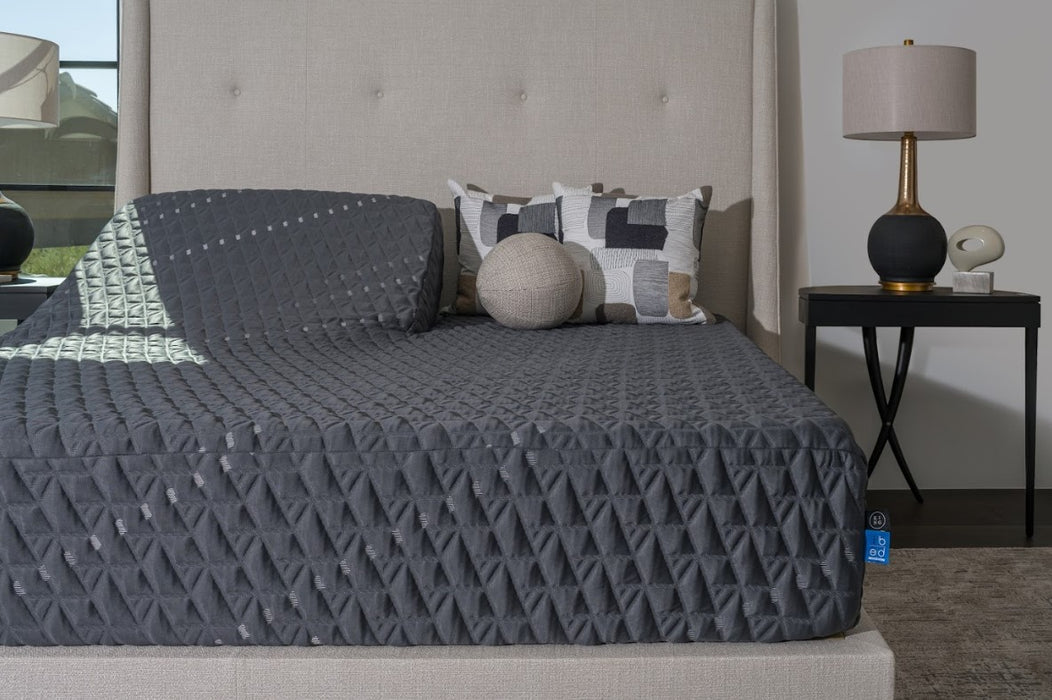
Foam mattresses, especially those using memory foam, are known for their ability to contour closely to the body, providing pressure relief by redistributing weight and reducing pressure points. Memory foam is known for its pressure-relieving properties, as it contours to the body, reducing pressure without losing support, making it a popular choice for athletes.
Memory foam mattresses can offer excellent pressure relief and motion isolation, which helps couples when one person trains early. Multiple foam layers may include a thin layer of softer foam over firmer support foam.
Downsides include heat retention, weaker edge support in some models, and a slow “stuck” feel. Choose medium or high-density materials over low-quality foam. Compare other memory foam mattresses by density, cooling, and support, not just plushness.
Hybrid Mattresses
Hybrid mattresses combine a coil core with a comfort system that may contain memory foam, polyfoam, latex, or a combination of materials, aiming to fuse the benefits of multiple types of mattresses. They often blend spinal support, bounce, airflow, and contouring.
Many recovery-focused beds today are hybrids because coils provide airflow and consistent support, while foam comfort layers relieve pressure. Hybrids are especially useful for side and back sleepers, couples, heavier sleepers, and people who need strong edge support.
They usually cost more than simple foam models, but latex and hybrid mattresses tend to maintain their structure longer than conventional foams, preserving performance year after year.
Innerspring Mattresses
Innerspring mattresses are primarily made of coils and may include thin comfort layers, offering a traditional bouncy feel and good breathability due to airflow through the coil system. They are easy to move on and often feel cooler than dense foam.
The limitation is cushioning. Traditional innerspring models may not provide enough pressure relief for side sleepers, joint pain, or athletic recovery. If you like the feel but need more cushioning, a high-quality mattress topper can soften the top without replacing the whole bed.
Latex Mattresses
Latex mattresses are made from the sap of rubber trees and are known for their durability and responsiveness, providing pressure relief without excessive sinking, making them suitable for active individuals. Natural latex feels buoyant, breathable, and supportive.
Latex mattresses can work well for combination sleepers who want to move freely, reduce pressure, and maintain spinal support. The drawbacks are higher prices and a heavier setup.
Airbeds and Adjustable Designs
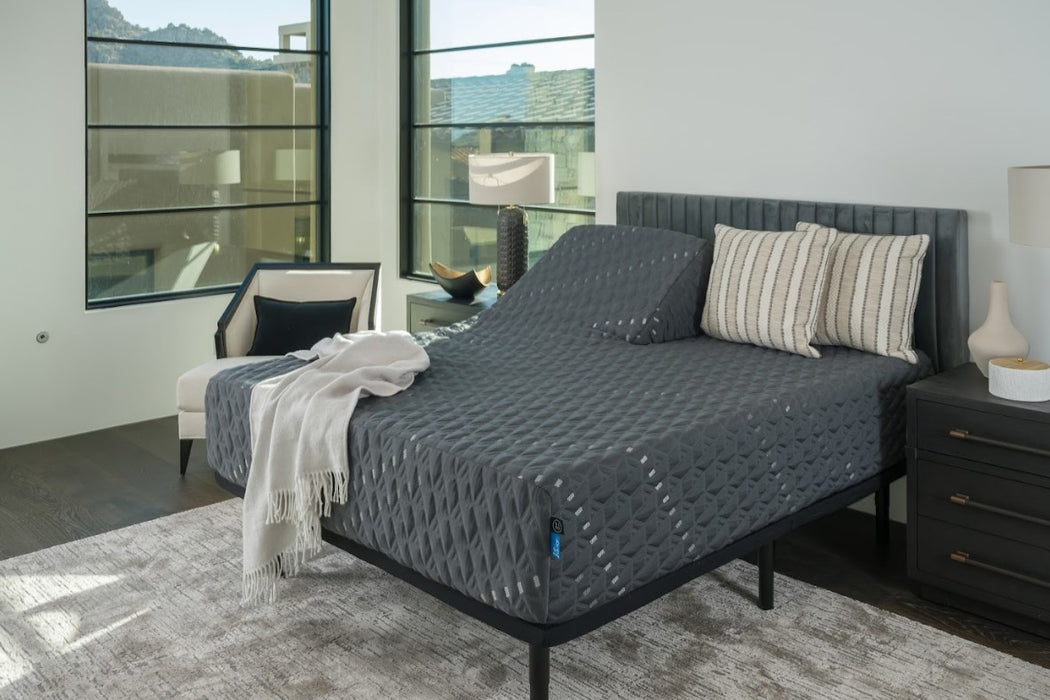
Airbeds use air chambers as their support system, allowing users to adjust the firmness level easily, which can be beneficial for athletes whose firmness preferences may change based on their training regimen.
Dual-chamber designs help couples who need different firmness levels. Some shoppers compare an adjustable air option, sometimes referred to as a sleep number bed, with a standard recovery mattress. The trade-offs are price, mechanical complexity, and possible long-term maintenance.
Choosing the Right Firmness for Back Pain, Joint Pain, and Athletic Recovery
Most brands use a 1–10 scale, where 1 is ultra-soft and 10 is extra-firm. Most recovery beds land between 4 and 8.
Current research trends suggest medium-firm surfaces often improve back pain and sleep quality. In one randomized trial of 313 adults, a medium-firm mattress reduced pain in bed, pain on rising, and disability more than a firm mattress over 90 days. A broader systematic review also found that intermediate firmness can improve sleep quality and comfort. A medium-firm mattress generally yields the best sleep efficiency and lowest sleep latency according to peer-reviewed sleep architecture studies.
By Sleep Position
Side sleepers require medium to soft mattresses to allow hips and shoulders to sink while maintaining a straight spine, while back sleepers recover best on medium-firm surfaces.
Use this quick guide:
|
Sleep position |
Best starting feel |
Why it works |
|---|---|---|
|
Side sleepers |
Soft to medium |
Cushions hips and shoulders |
|
Back sleepers |
Medium to medium firm |
Supports the lumbar curve |
|
Stomach sleepers |
Medium firm to firm |
Prevents midsection sag |
|
Combination sleepers |
Medium firm feel |
Balances movement and support |
The best mattress for back sleepers with back pain supports the lumbar region while gently contouring shoulders and glutes. The best mattress for back pain is rarely the hardest bed; it is the bed that keeps you aligned and comfortable. Long-term stomach sleeping can strain the spine, so stomach sleepers need adequate support and a low pillow.
By Body Weight
Lighter sleepers under about 130 lbs usually need softer surfaces because they do not compress the mattress deeply. Average-weight sleepers from 130–230 lbs should start with medium or medium-firm options.
Heavier sleepers over 230 lbs should prioritize firmer mattresses, thicker comfort systems, robust coils, and strong edge support to avoid bottoming out. Taller or broad-shouldered people should pay extra attention to shoulder and hip pressure relief, especially if they want the best mattress for back comfort and recovery.
Special Considerations for Athletes and Highly Active People
People training 4–6 days per week place extra demands on muscles, joints, and the nervous system. Athletic recovery depends on stable support for overloaded joints, cooling for elevated evening body heat, and motion isolation for uninterrupted rest.
Look for mattresses that incorporate features like zoned support, cooling technology, motion isolation, and edge support to enhance physical healing and uninterrupted rest. A mattress supports recovery best when it lets you fall asleep easily, stay asleep, and wake with less stiffness.
Some shoppers search for phrases like bear mattress when comparing athletic beds, but the specs matter more than the name: cooling, durability, responsiveness, and support.
Step-by-Step: How to Choose the Best Mattress for Your Recovery
Use this checklist when deciding how to choose a mattress that supports better recovery.
-
Clarify your goal: back pain relief, joint pain relief, muscle recovery, cooling, or all of the above.
-
Define your body weight, height, and primary sleep position.
-
Decide the type: foam, hybrid, innerspring, latex, or airbed.
-
Prioritize spinal alignment, sleep position, and temperature regulation when selecting a mattress for recovery.
-
Compare specs: foam density, coil gauge, coil count, zoning, cover breathability, and edge reinforcement.
-
Use the trial. It is recommended that brands offer generous sleep trials, typically 90 to 120 nights, to test mattress support in real-world conditions.
-
Using a sleep trial of at least 100 nights allows adequate time to test mattress suitability for muscle recovery through different phases of training and fatigue.
Give your new mattress at least 30 nights before judging, unless pain is severe.
Budget, Lifespan, and When to Replace Your Mattress
A new mattress is usually a 7–10-year recovery investment. Budget queen foam or innerspring beds may cost a few hundred dollars; mid-range hybrids often land higher; premium latex or advanced cooling designs cost more.
Higher-quality foams, stronger coils, durable covers, and zoned systems tend to resist sagging better. Replace your mattress when you notice new pain, visible body impressions, worse motion transfer, collapsing edges, or age beyond a decade for most beds.
Value means support, durability, and recovery benefits per year, not just the lowest price.
How Pillows, Toppers, and Sleep Habits Complete Your Recovery Setup
Even the right mattress works best with the right pillow. Side sleepers usually need a higher loft, back sleepers a medium loft, and stomach sleepers a low loft to keep the neck aligned.
A mattress topper can help if your bed is too firm but still supportive. It can add cushioning and relieve pressure short-term, but it cannot fix a sagging mattress.
For restful sleep, keep a consistent schedule, darken the room, reduce screens 60 minutes before bed, stretch gently, and manage training load. That is how you improve sleep quality and enhance muscle recovery beyond the mattress alone.
Suggested Image Ideas for This Article
The five images above cover recovery waking, spinal alignment, pressure relief, mattress construction, and the shopping checklist.
FAQ: Mattresses and Recovery
How long should I test a new mattress before deciding if it helps my back pain?
Your body often needs 3–4 weeks to adapt to a new sleep surface, especially if you switch from a soft bed to a medium-firm one. Minor soreness in the first few nights can be normal. Persistent or worsening back pain after 30 days may mean the mattress is too soft, too firm, or not matched to your sleep position.
Is a firm mattress always better for back pain and athletic recovery?
No. Extra-firm beds are not automatically healthier. Many people get better pain relief from medium or medium-firm beds that combine support with cushioning. Too-firm surfaces can create new pressure points at the hips and shoulders, especially for lighter sleepers and side sleepers.
What’s the difference between a mattress for back pain and a mattress for athletes?
Both focus on spinal alignment and pressure relief. Athletic-focused designs often add stronger cooling, faster responsiveness, better durability, and motion isolation. Athletes should also test whether they can turn, stretch, and get out of bed easily after hard sessions.
Can I improve recovery on a budget mattress, or do I need a premium model?
A budget or mid-range mattress can still support recovery if it offers adequate support, acceptable pressure relief, and decent cooling. Premium models often add better zoning, longer durability, and stronger temperature control, but the core features matter first.
How do I know if edge support is important for me?
Edge support matters most if you sit on the bed edge, share a smaller mattress, or need full use of the surface. Poor edge stability can make getting in and out of bed harder and create a “rolling off” feeling. Test it by sitting and lying near the perimeter before committing.
Shop Now at Dow Furniture for Mattresses & Furniture
Shop now at Dow Furniture and discover a complete selection of mattresses and furniture options designed to bring comfort, style, and value into your home. Whether you're upgrading your bedroom, furnishing a new space, or replacing old essentials, our collection offers practical solutions for every room in your home.
Get your mattress & furniture at Dow Furniture today and enjoy pieces built for everyday living and long-lasting use. From supportive mattresses to functional and stylish home furniture, you’ll find everything you need to create a comfortable, welcoming, and well-designed living space.